Understanding Nature-Inspired Fine Art in Contemporary Creations
Updated: 5 days ago
When I first encountered nature-inspired fine art in contemporary settings, I was struck by how artists translate the organic world into abstract, textured expressions. Nature has always been a profound source of inspiration, but today’s artists are pushing boundaries, blending traditional techniques with modern media to create pieces that resonate deeply with viewers. If you’re drawn to art that captures the essence of the natural world in fresh, innovative ways, this exploration will offer you insights and practical ideas to appreciate and even collect such works.
The Allure of Nature-Inspired Fine Art Today
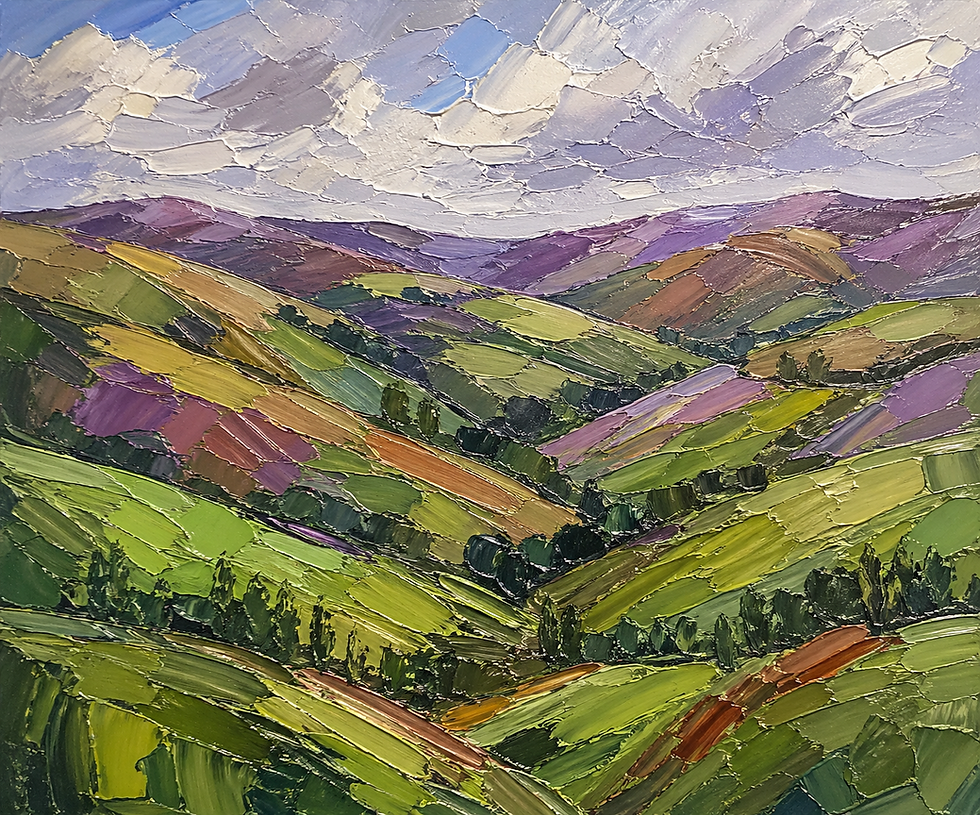
Nature-inspired fine art is more than just pretty landscapes or floral motifs. It’s an invitation to experience the environment through the artist’s unique lens. Contemporary artists often use mixed media, layering textures and materials to evoke the tactile qualities of nature - the roughness of bark, the softness of petals, or the fluidity of water.
What makes this genre so captivating is its ability to connect us emotionally to the earth, even in urban or indoor spaces. For example, a textured canvas might mimic the patterns of tree rings, reminding us of time and growth. Or a sculpture might incorporate natural elements like wood or stone, grounding the piece in reality while still inviting abstract interpretation.
If you’re considering adding nature-inspired art to your collection or interior design, look for pieces that speak to you personally. Ask yourself:
Does the artwork evoke a specific natural element or feeling?
How does the texture or colour palette influence your mood?
Can you imagine this piece enhancing your living or working space?
These questions help you find art that not only decorates but also enriches your environment.

Exploring Techniques in Nature-Inspired Fine Art
Artists today employ a variety of techniques to bring nature to life on canvas or other surfaces. Mixed media is particularly popular because it allows for layering and combining materials like acrylics, oils, natural fibres, and even recycled organic matter.
Here are some common approaches:
Textural layering - Using thick paint, gels, or pastes to create raised surfaces that mimic natural textures.
Collage elements - Incorporating leaves, twigs, or handmade paper to add authenticity and depth.
Abstract forms - Suggesting natural shapes without literal representation, encouraging viewers to interpret the work personally.
Colour gradients - Reflecting natural light and shadow, such as the transition from dawn to dusk or the changing seasons.
Sculptural integration - Combining two-dimensional art with three-dimensional elements for a tactile experience.
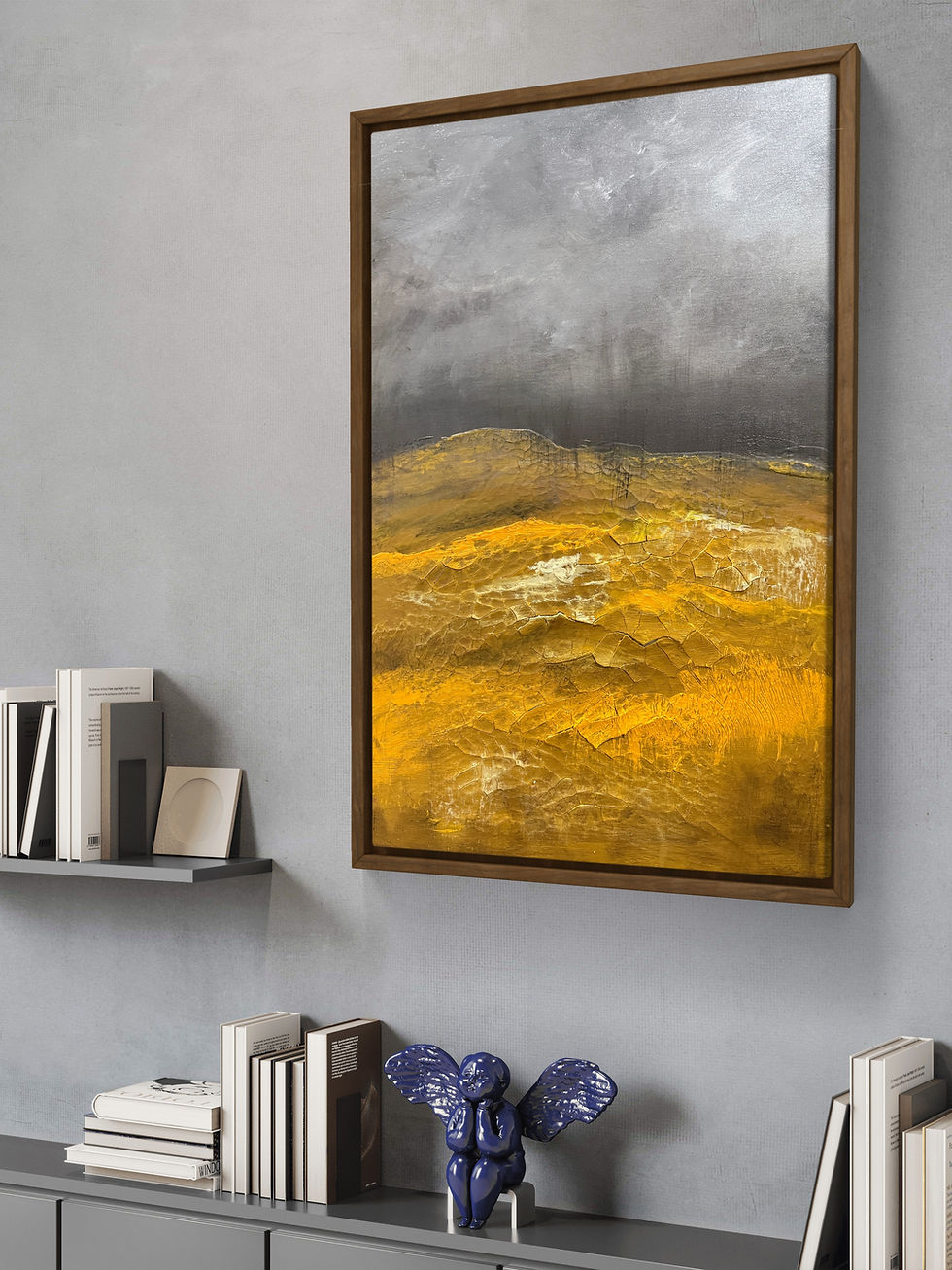
For collectors and interior designers, understanding these techniques can guide you in selecting pieces that fit your aesthetic and spatial needs. For instance, a highly textured piece might become a focal point in a minimalist room, while softer, more fluid works could complement a cozy, natural-themed space.
How to Choose and Care for Nature-Inspired Art
Selecting nature-inspired art is a personal journey, but practical considerations also matter. Here’s how I recommend approaching it:
Size and scale: Consider the wall or area where the art will hang. Large, bold pieces can energise a room, while smaller works add subtle charm.
Material durability: Mixed media can be delicate. Ask about the materials used and how to care for them.
Lighting: Natural light enhances the colours and textures of nature-inspired art. Position your pieces where they can catch daylight without direct sun exposure that might fade pigments.
Framing and mounting: Some textured works look best unframed to showcase their depth, while others benefit from simple frames that protect without distracting.
Once you bring your artwork home, regular dusting with a soft cloth and avoiding moisture will help preserve its beauty. If the piece includes organic materials, check with the artist or gallery for specific care instructions.
If you’re interested in expanding your collection, you might explore nature in contemporary art for sale to find unique pieces that resonate with your style and values.

The Emotional and Symbolic Power of Nature in Art
One of the reasons nature-inspired fine art feels so compelling is its emotional and symbolic depth. Nature itself is a powerful metaphor for life cycles, growth, decay, and renewal. When artists channel these themes, their work often invites reflection and connection.
For example, a painting that captures the chaos of a storm might symbolize personal struggle or transformation. A serene depiction of a forest could evoke peace and grounding. Abstract interpretations allow each viewer to find their own meaning, making the art a personal experience.
This emotional resonance is why many collectors seek out nature-inspired pieces. They want art that not only beautifies a space but also tells a story or sparks contemplation. When you choose such art, you’re inviting a living dialogue between the natural world, the artist’s vision, and your own feelings.
Bringing Nature-Inspired Art into Your Space
Integrating nature-inspired fine art into your home or office can transform the atmosphere. Here are some tips to make the most of these pieces:
Create a nature corner: Dedicate a space to art, plants, and natural materials to foster calm and creativity.
Mix textures: Pair textured paintings with smooth furniture or soft textiles to create visual interest.
Use natural colours: Complement your art with earthy tones like greens, browns, and blues in your decor.
Rotate pieces seasonally: Change your art display to reflect the seasons, keeping your environment fresh and connected to nature’s rhythms.
Consider scale and balance: Large artworks can anchor a room, while smaller pieces work well in clusters or galleries.
By thoughtfully placing nature-inspired art, you create a space that feels alive and inviting, encouraging relaxation and inspiration.
Exploring nature-inspired fine art opens up a world where creativity and the environment meet in beautiful harmony. Whether you’re drawn to the textures, colours, or emotional stories, these works offer a unique way to connect with the natural world every day. If you’re ready to discover pieces that speak to your soul, consider browsing collections that specialise in this genre and find art that truly resonates with you.

Comments