Finding My Voice Through Art
I don't think becoming an artist happens at one particular moment.
For me, it has been a gradual process of discovering what I want to say, what draws me back to the canvas, and what kind of work feels unmistakably mine.
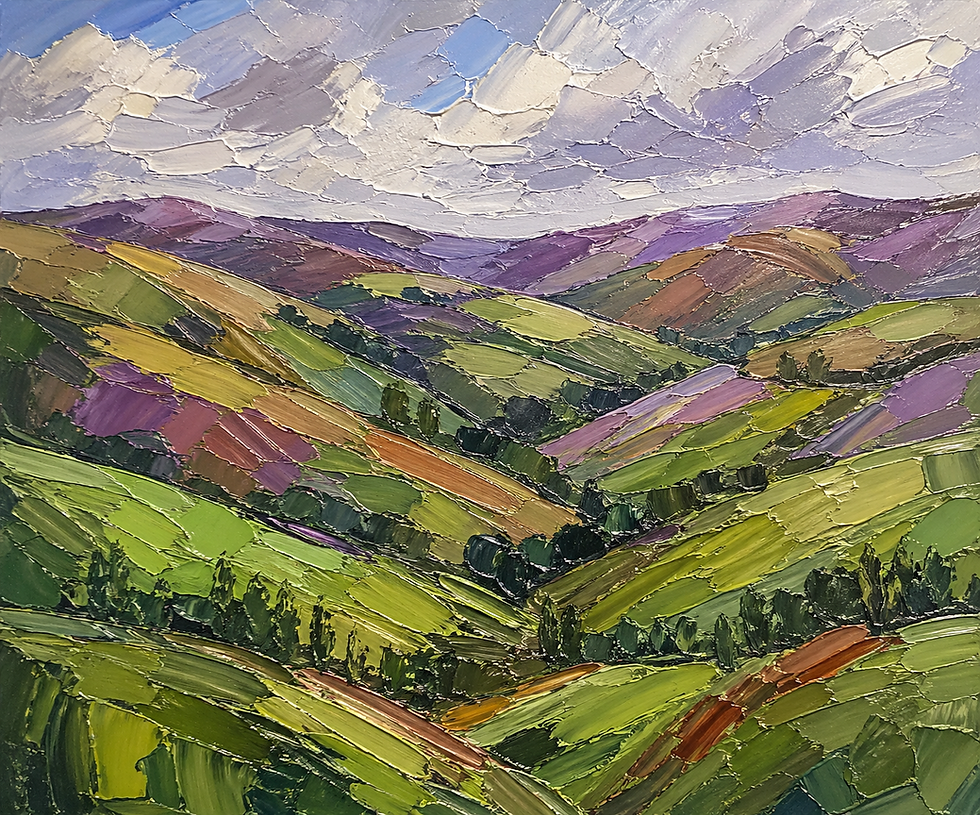
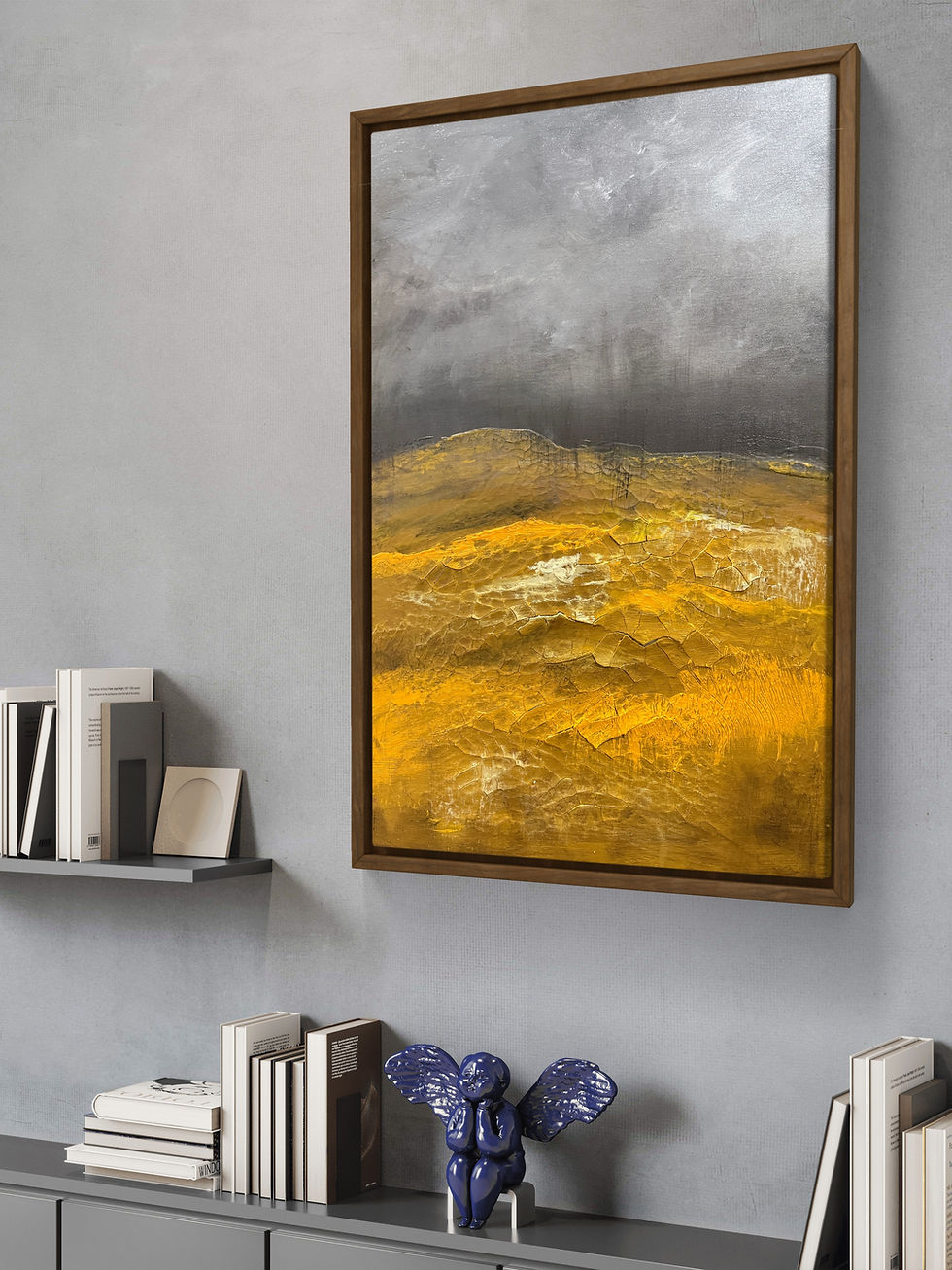
My practice has grown from a fascination with the Australian landscape — not simply how it looks, but how it feels. I am drawn to weathered earth, rolling hills, escarpments, dry riverbeds, changing skies and the marks that time leaves upon the land.
Living and working on the NSW South Coast provides endless inspiration. There is something about this landscape that continually changes. Light shifts across a hillside, distant escarpments disappear into haze, paddocks move from green to ochre, and waterways leave traces across the earth long after the water has gone.
Rather than reproduce these places literally, I want to capture their atmosphere.
Painting Through Texture
Texture has become one of the most recognisable elements of my work.
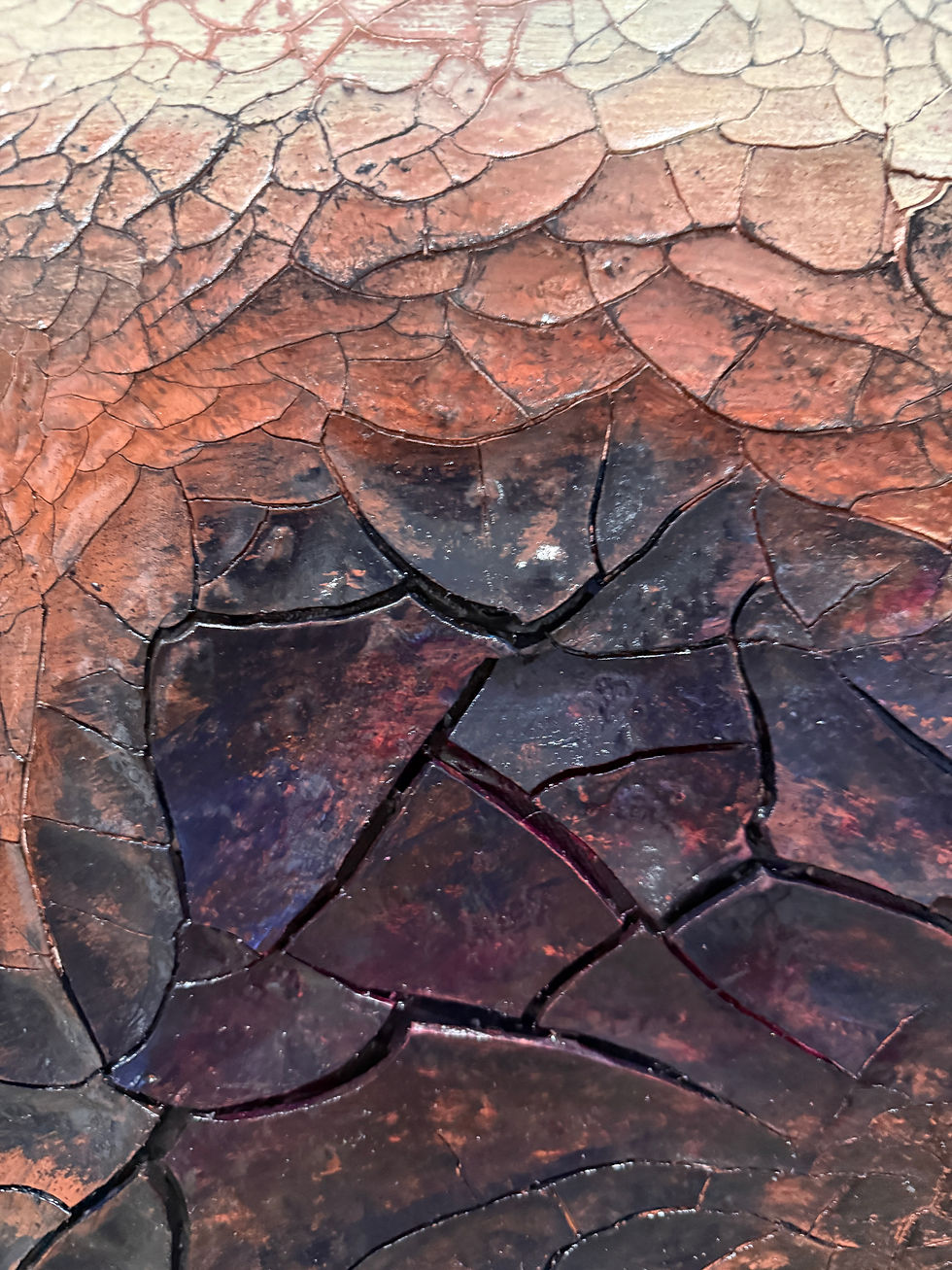
I love the physical process of painting — building a surface, scraping it back, adding another layer and allowing unexpected marks to remain.
Working predominantly with acrylic paint, ink, plaster, paper, oil pastel, sand and other mixed media, I use palette knives and layering techniques to create surfaces that can sometimes feel almost geological.
Ridges form. Lines fracture. Colours emerge beneath other colours.
Often, the most interesting part of a painting comes from something I didn't completely plan.
I have learned not to control every mark.
That has probably been one of the biggest changes in my practice: knowing when to keep working and when to allow the painting to speak for itself.
More Than Landscape
Although landscape remains at the heart of my practice, my work has also begun moving into more conceptual territory.
The Silent Ledger series represents an important part of that development.
These works explore the human figure, identity, memory, time and the invisible experiences we carry with us. In many ways, they are very different from my landscapes, yet I see a strong connection between them.
Both are concerned with what remains.
The landscape carries evidence of weather, erosion, drought and renewal. People carry their own histories in much the same way.
Layers accumulate.
Marks remain.
Some things are visible; others sit beneath the surface.

Developing My Own Visual Language
As an emerging artist, one of the most exciting parts of this journey has been recognising a visual language beginning to develop across my work.
I am increasingly interested in the tension between ruggedness and delicacy, stillness and movement, open space and heavily worked surfaces.
There is also a particular moment I look for when painting — when the work stops being simply paint on canvas and begins to have its own presence.
It isn't always easy to explain.
But I know when it happens.
Where the Journey Is Taking Me
My practice continues to evolve, and I want to allow it to do so.
Recent opportunities to exhibit my work and be selected as a finalist in art prizes have encouraged me enormously, but they have also made me more ambitious about where I would like to take my work.
I want to continue experimenting.
I want to work larger.
I want to push texture further and explore the relationship between landscape and the human experience more deeply.
Most importantly, I want to continue making work that feels authentic.
I don't want every painting to be predictable, and I don't want to simply repeat something because it has worked before.
For me, being an artist is about remaining curious.
There will always be another landscape, another surface, another idea and another painting waiting to be discovered.
And I think that is what keeps me returning to the studio. Visit my website: www.dmariart.com

Comments