Exploring Contemporary Nature-Themed Art: A Journey into Nature-Inspired Creativity
Updated: 4 days ago
When I think about the powerful connection between art and nature, I’m always amazed at how artists capture the essence of the natural world in such diverse and inspiring ways. Contemporary nature-themed art offers a fresh perspective on this timeless relationship, blending traditional motifs with modern techniques and materials. Whether you’re drawn to abstract landscapes, textured mixed media, or vibrant botanical illustrations, there’s something deeply moving about art that reflects the beauty and complexity of nature.
In this post, I want to take you on a journey through the world of contemporary nature-themed art. We’ll explore how artists interpret natural elements, the significance of these themes in today’s art scene, and practical tips for incorporating nature-inspired pieces into your collection or living space. Let’s dive in!
The Allure of Contemporary Nature-Themed Art
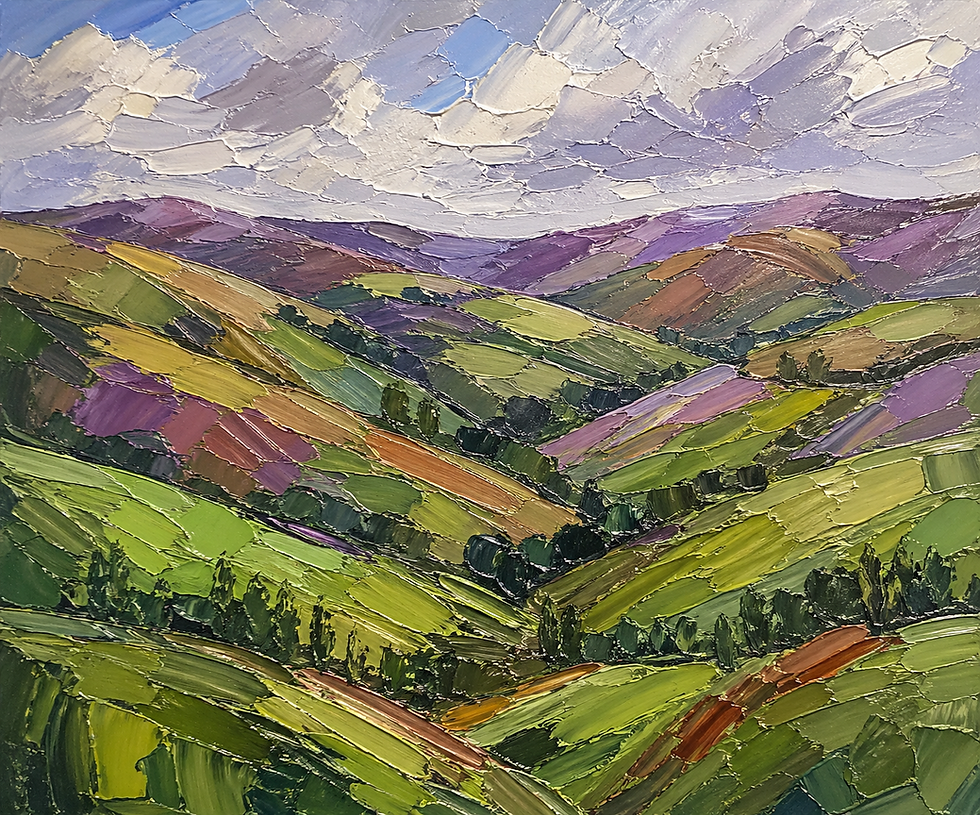
Nature has always been a muse for artists, but contemporary nature-themed art brings a new energy and innovation to this tradition. Artists today are not just replicating what they see outdoors; they are interpreting nature through abstract forms, mixed media, and experimental textures. This approach invites viewers to experience nature in a more personal and emotional way.
One of the reasons I find contemporary nature-themed art so captivating is its ability to evoke a sense of calm and connection. In a fast-paced world, these artworks remind us to slow down and appreciate the intricate details of the environment around us. From the delicate veins of a leaf to the rugged texture of bark, artists highlight the small wonders that often go unnoticed.
If you’re considering adding nature-inspired art to your collection, look for pieces that resonate with your own experiences of the natural world. Whether it’s a painting that captures the vibrant colours of a sunset or a sculpture that mimics the organic shapes of rocks and trees, these artworks can bring a refreshing and grounding energy to any space.

How Contemporary Artists Interpret Nature
Contemporary artists use a variety of techniques to express their connection with nature. Many incorporate mixed media, combining traditional paint with natural materials like sand, leaves, or wood to create tactile, layered effects. This not only adds depth to the artwork but also physically connects the piece to the environment it represents.
Abstract art plays a significant role in this genre as well. Instead of literal depictions, artists use shapes, colours, and patterns to suggest natural forms. For example, swirling lines might evoke the movement of water, while bold, earthy tones can represent soil and stone. This abstraction allows viewers to engage their imagination and emotions, making the experience of the artwork unique to each person.
I’ve noticed that many contemporary nature-themed artists also focus on themes of sustainability and environmental awareness. Their work often reflects concerns about climate change, habitat loss, and the fragility of ecosystems. This adds a layer of meaning that goes beyond aesthetics, encouraging us to think about our relationship with the planet.
If you’re interested in exploring this art style, consider visiting galleries or online platforms that specialise in nature-inspired works. You might also want to commission a piece that reflects your personal connection to a particular landscape or natural element.
The Role of Texture and Mixed Media in Nature Art
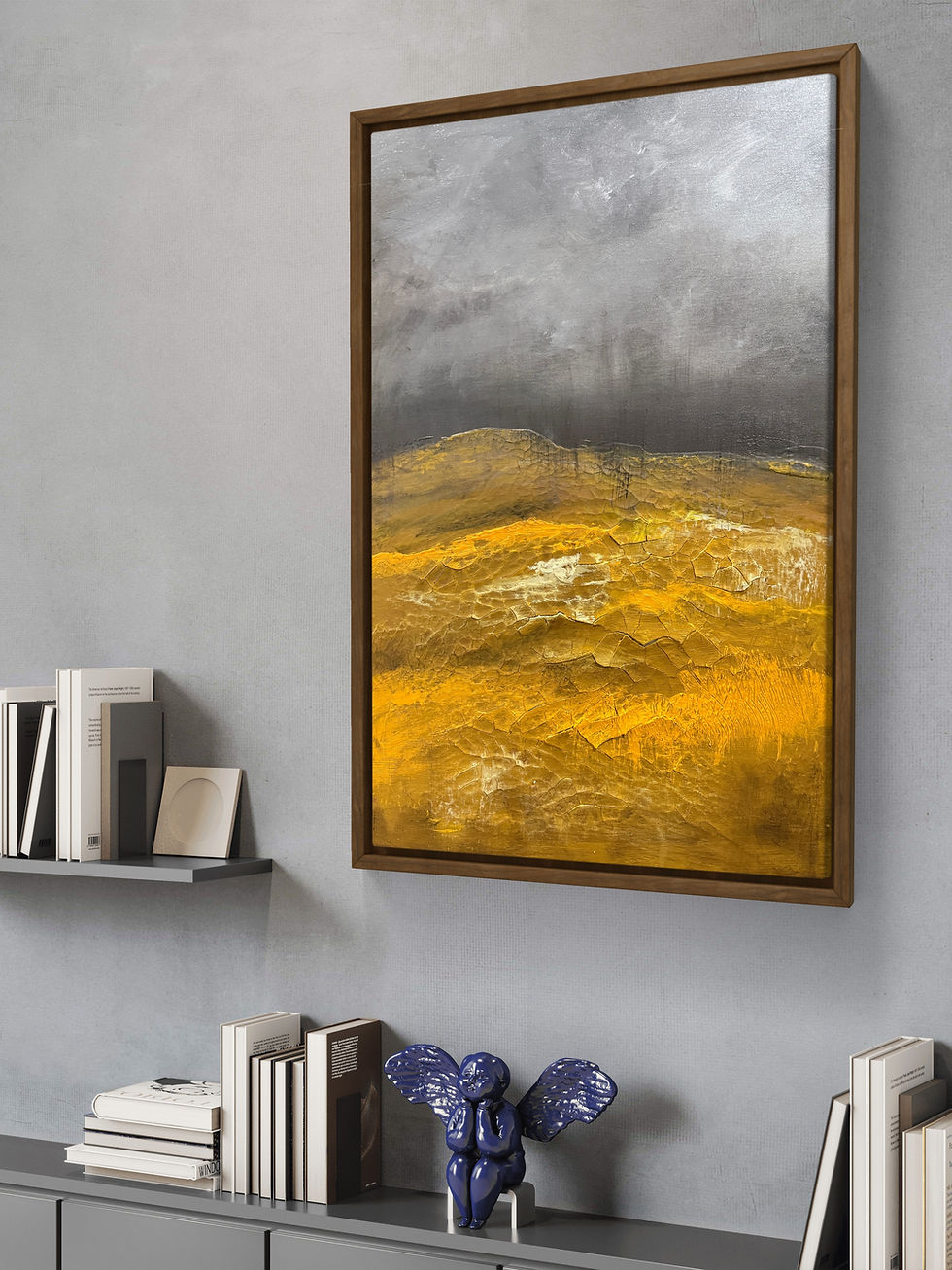
One of the most exciting aspects of contemporary nature-themed art is the use of texture and mixed media. These elements bring a tactile quality to the artwork, making it feel alive and inviting you to explore it with more than just your eyes.
Artists often experiment with materials like acrylic gels, natural fibres, and recycled objects to build up layers and create a sense of depth. This technique can mimic the roughness of tree bark, the softness of moss, or the intricate patterns found in leaves and flowers. The result is a piece that not only looks beautiful but also invites a sensory experience.
For collectors and interior designers, textured nature art offers a unique way to add dimension and interest to a room. These pieces can serve as focal points, sparking conversation and drawing attention to the natural world’s complexity and beauty.
When selecting mixed media art, consider the lighting and placement carefully. Textured surfaces can cast interesting shadows and change appearance throughout the day, enhancing the dynamic quality of the artwork.

Bringing Nature into Your Space with Art
Incorporating contemporary nature-themed art into your home or office can transform the atmosphere, making it feel more serene and connected to the outdoors. Here are some practical tips to help you choose and display nature-inspired pieces effectively:
Choose Art That Speaks to You
Select artworks that evoke emotions or memories related to nature. This personal connection will make the piece more meaningful and enjoyable.
Consider Scale and Placement
Large nature-themed paintings or sculptures can become statement pieces in living rooms or entryways. Smaller works are perfect for intimate spaces like bedrooms or studies.
Mix and Match Styles
Don’t be afraid to combine abstract and realistic nature art. This contrast can create a dynamic and layered visual experience.
Use Natural Materials in Decor
Complement your art with natural textures in furniture and accessories, such as wood, stone, or linen, to enhance the overall theme.
Create a Gallery Wall
Group several nature-inspired pieces together to tell a story or showcase different aspects of the natural world.
If you’re looking to explore options, you might find a wonderful selection of nature in contemporary art for sale that fits your style and space perfectly.
Finding Personal Meaning in Nature-Inspired Art
What I love most about nature-themed art is its ability to hold personal meaning. Each piece can represent a place you’ve visited, a feeling you associate with the outdoors, or a broader reflection on life and growth. This emotional connection is what makes collecting and displaying art so rewarding.
When you invest in nature-inspired mixed media paintings, you’re not just acquiring decoration; you’re inviting a story and a sense of wonder into your environment. These artworks often encourage mindfulness and appreciation for the natural world, which can be a source of comfort and inspiration.
If you’re considering commissioning a piece, think about what aspects of nature resonate most with you. Is it the calm of a forest, the energy of the ocean, or the delicate beauty of wildflowers? Sharing these ideas with an artist can result in a truly unique work that reflects your personal journey.
Exploring contemporary nature-themed art is a wonderful way to deepen your connection with the environment and bring a touch of its magic into your everyday life. Whether you’re browsing online or visiting galleries, I encourage you to look beyond the surface and discover the stories and textures that make this art form so special.

Comments