The Allure of Textured Landscape Paintings: Exploring Mixed Media Art
Updated: 5 days ago
When I first encountered textured landscape paintings, I was immediately drawn to their depth and vibrancy. Unlike traditional flat canvases, these artworks invite you to explore not just the scene but the very surface itself. The layers, the tactile elements, and the interplay of materials create a sensory experience that feels alive. If you’ve ever felt that a painting could do more than just depict a view, you’re in for a treat. Let’s dive into why textured landscapes, especially those created with mixed media, hold such a captivating charm.
What Makes Textured Landscape Paintings So Captivating?
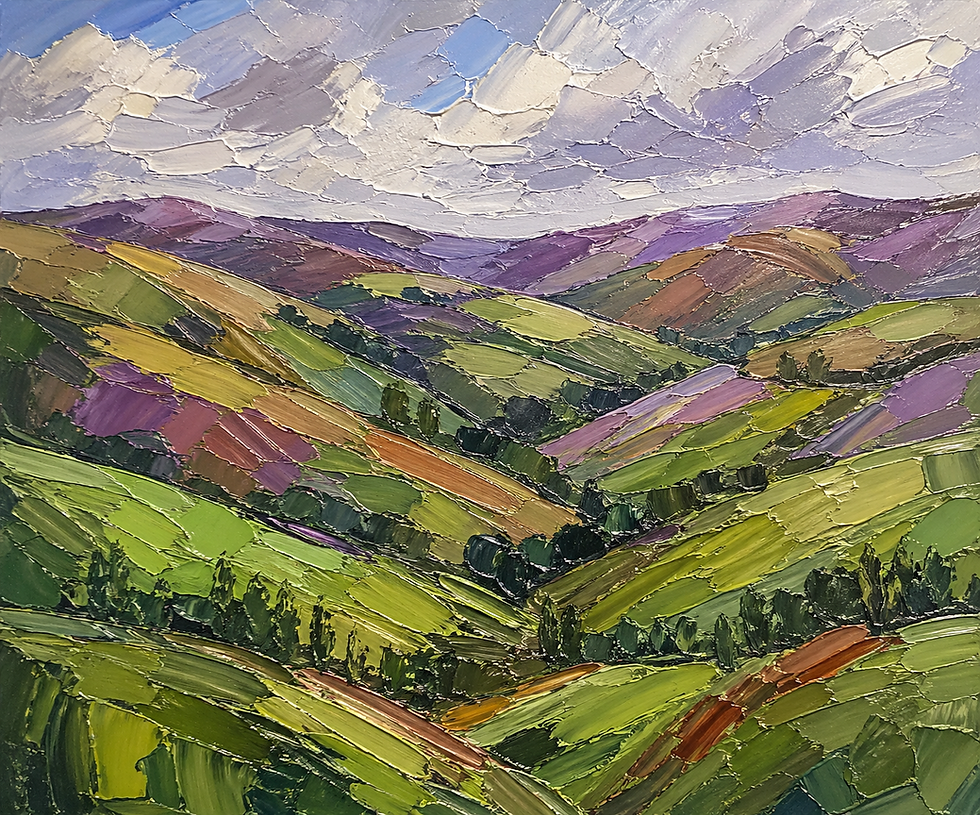
Textured landscape paintings stand out because they engage more than just your eyes. They invite you to feel the environment the artist has created. The texture adds a third dimension, making the artwork almost sculptural. This physicality can evoke emotions and memories in a way that smooth paintings sometimes cannot.
For example, imagine a coastal scene where the sand is represented by gritty, raised paint or even sand particles embedded in the canvas. You can almost feel the roughness under your fingertips. Or picture a forest landscape where leaves and bark are suggested through layers of paper, fabric, or even natural materials like twigs. These elements bring the scene to life, making it immersive.
The use of texture also plays with light and shadow differently than flat paint. As you move around the piece, the surface catches light in new ways, revealing hidden details and nuances. This dynamic quality keeps the artwork fresh and engaging over time.

The Role of Textured Landscape Paintings in Modern Art Spaces
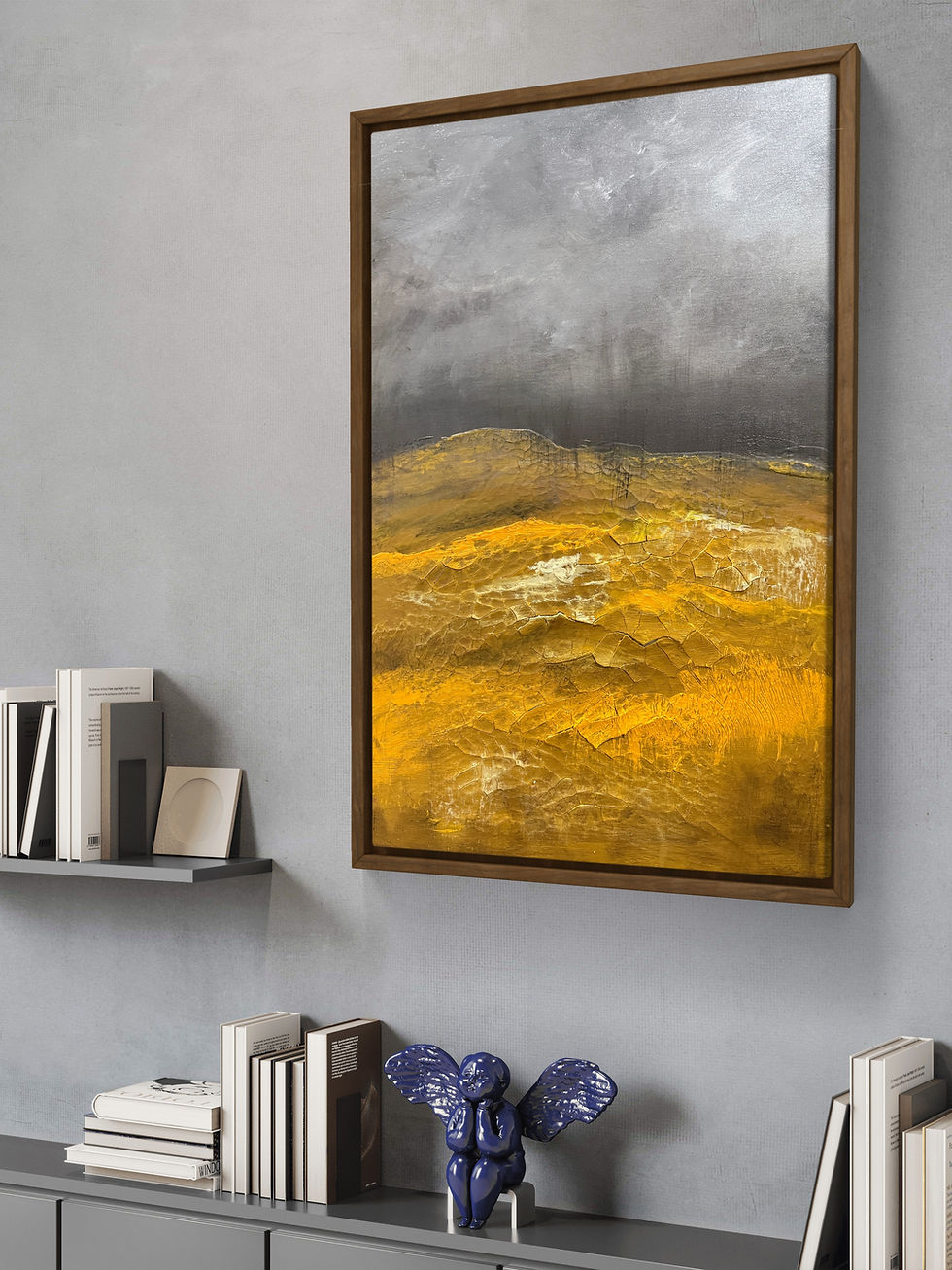
In contemporary interiors, textured landscape paintings serve as focal points that add warmth and character. Whether you’re decorating a living room, office, or gallery, these artworks bring a natural element indoors without feeling literal or predictable.
One of the reasons I appreciate textured landscapes is their versatility. They can complement minimalist spaces by adding subtle complexity or enhance eclectic rooms with their rich surfaces. Interior designers often choose these pieces because they create conversation starters and invite viewers to linger.
Moreover, textured landscapes can evoke a sense of place and mood without overwhelming the space. The tactile quality encourages a closer look, making the artwork interactive rather than just decorative. This interaction can foster a deeper connection between the viewer and the natural world depicted.
If you’re considering adding a textured landscape painting to your collection or space, think about the atmosphere you want to create. Do you want calm and serenity? Look for soft, muted textures and colours. Craving energy and vibrancy? Seek out bold textures and dynamic compositions.
The Magic of Mixed Media in Landscape Art
One of the most exciting developments in textured landscape art is the use of mixed media. By combining different materials and techniques, artists can push the boundaries of traditional painting and create truly unique pieces.
Mixed media landscape paintings often incorporate elements like acrylics, oils, pastels, collage, fabric, metal leaf, and even natural objects. This blend allows artists to experiment with texture, colour, and form in ways that single-medium works cannot achieve.
For instance, an artist might start with a painted background, then add layers of torn paper to suggest rocky terrain, followed by touches of metallic leaf to mimic sunlight reflecting on water. The result is a rich, multi-layered composition that invites exploration.
I find that mixed media landscapes often tell stories beyond the visual. The materials themselves carry meaning—recycled paper might hint at environmental themes, while natural fibres connect the artwork to the earth. This depth of meaning adds to the allure and personal resonance of the piece.
If you want to explore this style further, I recommend checking out mixed media landscape paintings by artists who specialise in nature-inspired works. Their creations showcase how diverse materials can come together to celebrate the beauty of the natural world.

How to Choose the Right Textured Landscape Painting for Your Space
Selecting a textured landscape painting can feel overwhelming because of the variety available. Here are some practical tips to help you find a piece that resonates with you and fits your environment:
Consider the Size and Scale
Large textured paintings can become statement pieces, while smaller works might suit intimate spaces. Measure your wall and think about the impact you want.
Think About Colour Palette
Choose colours that complement your existing décor. Earthy tones often work well in natural or rustic interiors, while brighter colours can energise modern spaces.
Evaluate the Texture
Some textured paintings have subtle relief, while others are heavily layered. Decide how much texture you want, especially if you have pets or children, as heavily textured surfaces can be more delicate.
Reflect on the Mood
Does the painting evoke calm, excitement, nostalgia, or mystery? Your emotional response is a key guide.
Check the Materials
If you have allergies or sensitivities, inquire about the materials used. Some mixed media works include organic elements that might require special care.
Ask About Framing and Installation
Textured paintings sometimes need specific framing or mounting to protect the surface and enhance the presentation.
By keeping these points in mind, you can confidently select a textured landscape painting that not only beautifies your space but also enriches your daily experience.
Bringing Nature Indoors with Textured Landscape Art
One of the greatest joys of textured landscape paintings is their ability to bring the essence of nature inside. In our busy lives, having a piece of art that connects us to the outdoors can be grounding and inspiring.
I often find myself drawn to artworks that capture the changing seasons, the play of light on water, or the ruggedness of mountain ranges. These scenes remind me of moments spent in nature and encourage mindfulness.
Textured landscapes do more than depict nature - they embody it. The physical layers mimic the complexity of natural environments, making the artwork feel alive. This connection can be especially meaningful in urban settings where access to green spaces is limited.
If you’re looking to create a sanctuary in your home or workspace, consider incorporating textured landscape paintings. They can serve as daily reminders of the beauty and resilience of the natural world, fostering a sense of peace and creativity.
Exploring textured landscape paintings has deepened my appreciation for how art can engage multiple senses and emotions. Whether you’re drawn to the tactile surfaces, the rich stories told through mixed media, or the way these works transform a room, there’s no denying their unique allure. I encourage you to explore this fascinating art form and discover the personal meaning it can bring to your life and space.

Comments