Exploring the Beauty of Mixed Media Landscape Art
Updated: 5 days ago
When I first discovered mixed media landscape art, I was captivated by the way different materials and techniques come together to create something truly unique. Unlike traditional paintings that rely on a single medium, mixed media allows artists to blend textures, colours, and forms in ways that bring landscapes to life with depth and emotion. If you’re curious about how this art form works and how it can transform a simple scene into a captivating masterpiece, you’re in the right place.
The Allure of Mixed Media Landscape Art
Mixed media landscape art combines various artistic materials such as acrylics, watercolours, ink, collage elements, and even natural objects like sand or leaves. This approach offers endless possibilities for creativity. For example, you might start with a watercolour wash to capture the soft hues of a sunset, then add layers of textured paper or fabric to mimic the roughness of tree bark or rocky terrain.
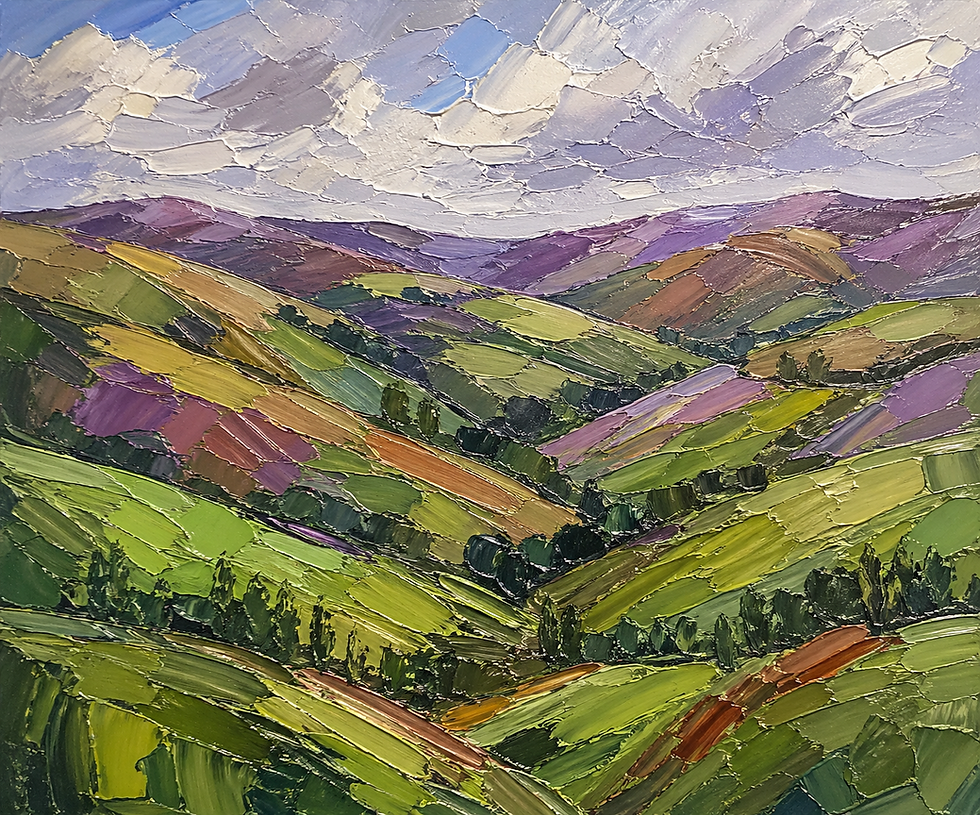
What I love most about this technique is how it invites you to experiment. You can use palette knives to apply thick paint, incorporate metallic leaf for shimmer, or even stitch into the canvas for added dimension. The result is a tactile experience that draws viewers in, encouraging them to explore every detail.
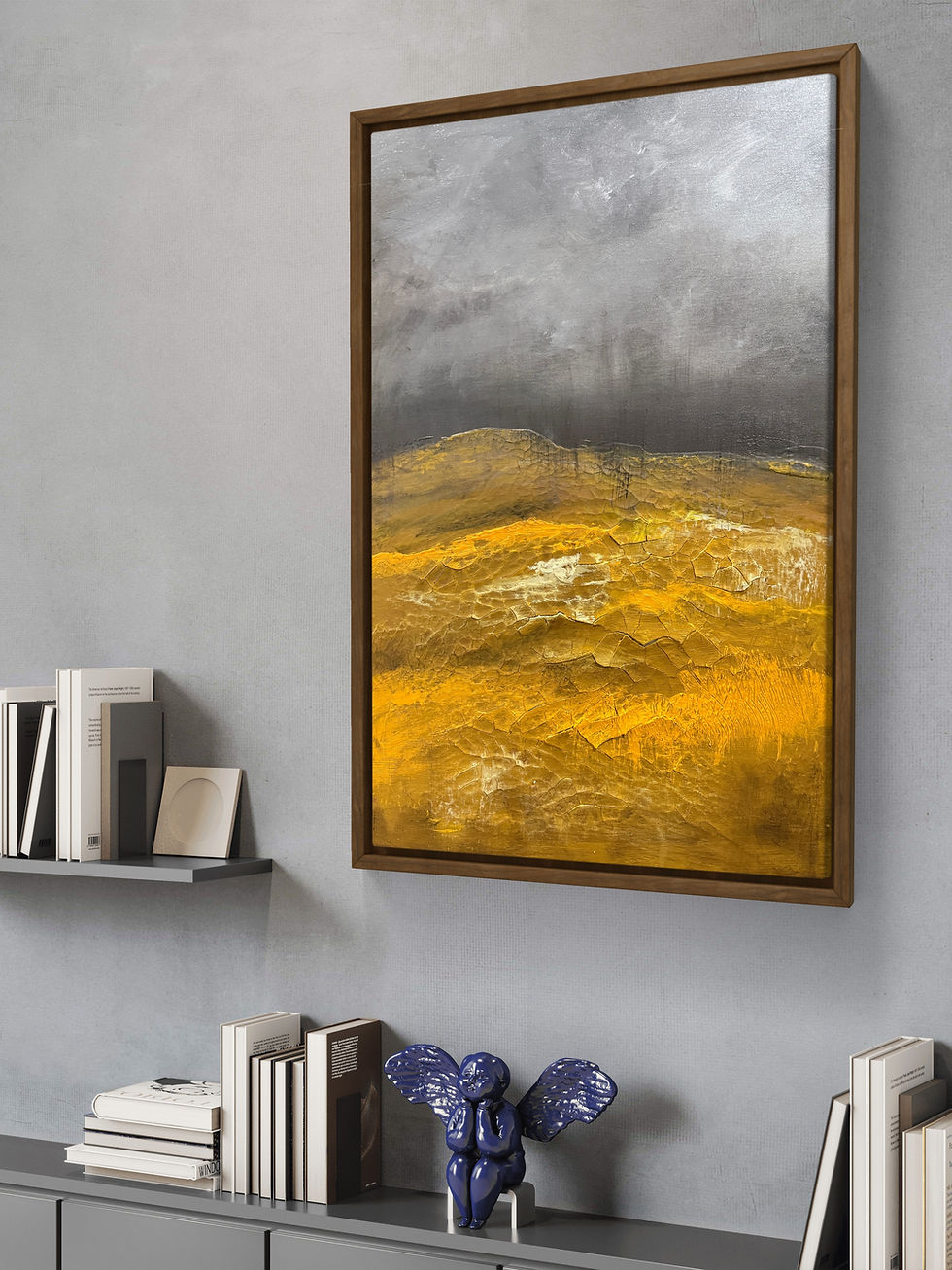
If you’re considering adding a piece of mixed media landscape art to your collection or interior space, think about how the textures and layers can complement your environment. These artworks often become focal points, sparking conversation and evoking a sense of connection to nature.

How to Approach Mixed Media Landscape Art in Your Collection
When selecting mixed media landscape paintings, it’s important to consider both the visual impact and the story behind the work. Each piece often reflects the artist’s personal interpretation of a place or moment in nature. This emotional connection can add a layer of meaning to your space.
Here are some tips to help you choose the right piece:
Look for texture and depth: Mixed media works are tactile. Notice how the layers interact and whether they create a sense of movement or stillness.
Consider colour harmony: Does the palette complement your room’s colours? Earthy tones often work well in natural-themed interiors.
Think about scale: Larger pieces can dominate a room, while smaller works might fit perfectly on a shelf or side table.
Ask about materials: Knowing what’s used can help you understand the artwork’s durability and care requirements.
By keeping these points in mind, you can find a piece that not only beautifies your space but also resonates with your personal taste and style.
What are the three types of landscape paintings?
Understanding the different types of landscape paintings can deepen your appreciation for mixed media works. Traditionally, landscape art falls into three main categories:
Realistic Landscapes
These paintings aim to capture nature as accurately as possible. Artists focus on details like light, shadow, and perspective to create lifelike scenes. In mixed media, realistic landscapes might combine fine brushwork with subtle textures to enhance realism.
Impressionistic Landscapes
Impressionism emphasises light and colour over detail. Artists use loose brushstrokes and vibrant hues to evoke the feeling of a place rather than its exact appearance. Mixed media can add interesting textures that complement this style’s spontaneity.
Abstract Landscapes
Abstract landscapes break away from traditional forms, using shapes, colours, and textures to suggest natural elements. This is where mixed media truly shines, as artists can experiment freely with unconventional materials to express mood and atmosphere.
Knowing these types helps you identify what style speaks to you and how mixed media techniques can enhance each approach.

Techniques to Try in Mixed Media Landscape Art
If you’re inspired to create or simply want to understand the process better, here are some popular mixed media techniques used in landscape paintings:
Layering: Start with a base layer of paint or paper, then build up textures using different materials. This creates depth and complexity.
Collage: Incorporate pieces of paper, fabric, or natural elements like dried leaves to add interest and dimension.
Sgraffito: Scratch through a top layer of paint to reveal colours or textures underneath, mimicking natural patterns like tree bark or water ripples.
Stencilling and Masking: Use stencils to add repeated shapes or mask areas to protect parts of the painting while working on others.
Ink and Wash: Combine ink lines with watercolour washes for contrast and detail.
Experimenting with these techniques can help you appreciate the skill and creativity involved in mixed media landscape paintings. Whether you’re an artist or a collector, understanding these methods enriches your connection to the artwork.
Bringing Mixed Media Landscape Art into Your Space
Incorporating mixed media landscape art into your home or office can transform the atmosphere. These pieces often evoke a sense of calm and connection to the outdoors, which is especially valuable in urban environments.
Here are some ideas for displaying mixed media landscape paintings:
Create a gallery wall: Mix different sizes and styles of landscape art to create a dynamic display.
Pair with natural materials: Wood, stone, and plants complement the organic feel of mixed media works.
Use lighting strategically: Highlight textures with directional lighting to enhance the artwork’s dimensionality.
Choose statement pieces: A large, textured landscape painting can serve as a stunning focal point in a living room or entryway.
By thoughtfully integrating these artworks, you invite nature’s beauty indoors in a way that feels personal and inspiring.
Finding Meaning in Mixed Media Landscape Art
What makes mixed media landscape paintings truly special is their ability to tell stories and evoke emotions. Each layer, texture, and colour choice reflects the artist’s vision and invites you to interpret the scene in your own way.
When I look at a mixed media landscape, I often find myself imagining the sounds, smells, and sensations of the place depicted. This immersive quality is what draws many art lovers to these works. They are not just images but experiences captured on canvas.
If you’re searching for art that resonates on a deeper level, consider exploring mixed media landscape paintings. They offer a unique blend of technique and emotion that can enrich your collection and your life.
I hope this exploration of mixed media landscape art has inspired you to look closer at the textures and stories within these beautiful works. Whether you’re collecting or simply appreciating, there’s something magical about the way different materials come together to celebrate the natural world.
For those interested in discovering more or acquiring original pieces, I recommend exploring mixed media landscape painting that speak to your personal connection with nature and art. Each piece is a journey waiting to be experienced.

Comments