Exploring Mixed Media Art Landscapes: Techniques to Inspire Your Creativity
Updated: 4 days ago
When I first discovered the world of mixed media art landscapes, I was captivated by the endless possibilities they offered. Combining different materials and techniques to create textured, vibrant scenes of nature felt like unlocking a new language of expression. If you’re drawn to art that tells a story through layers and depth, mixed media landscape painting techniques might just be the perfect way to bring your vision to life.
In this post, I’ll walk you through some of my favourite approaches to mixed media landscape art. Whether you’re an experienced artist or just starting out, these ideas will help you experiment confidently and create pieces that resonate deeply.
Why Choose Mixed Media Art Landscapes?
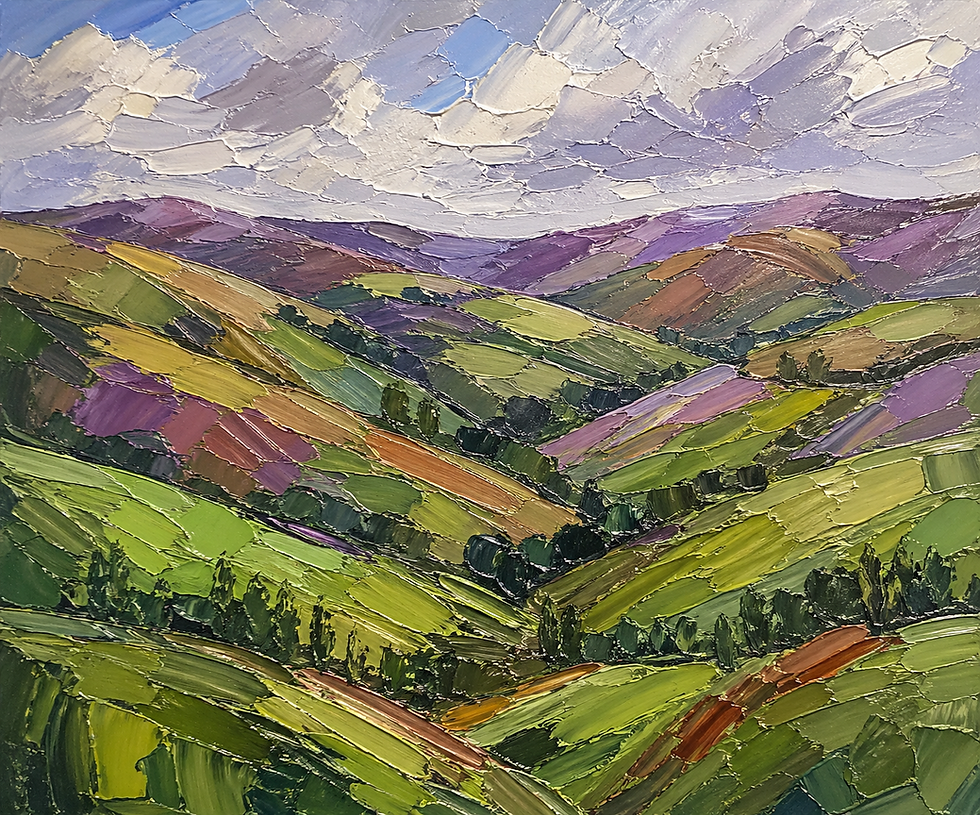
Mixed media art landscapes offer a unique way to capture the essence of nature. Unlike traditional painting, where you rely on a single medium, mixed media allows you to blend paints, papers, textures, and even found objects. This layering creates a tactile quality that invites viewers to explore the artwork up close.
One of the things I love most about working with mixed media is how it encourages spontaneity. You can start with a loose sketch or paint wash, then add collage elements, ink details, or textured pastes. Each layer builds on the last, creating a rich narrative that reflects the complexity of natural environments.
For example, you might begin with acrylic paints to establish a sky and distant hills, then add torn pieces of vintage maps or botanical prints to suggest fields or forests. Finally, a touch of metallic leaf or textured gel can mimic sunlight or rough bark. The result is a landscape that feels alive and multidimensional.

Essential Materials for Mixed Media Landscape Painting
Before diving into techniques, it’s helpful to gather a versatile toolkit. Here are some materials I recommend for creating mixed media art landscapes:
Acrylic paints: Fast-drying and flexible, acrylics are perfect for base layers and adding vibrant colour.
Watercolour paints: Use these for delicate washes and subtle gradients.
Collage papers: Think old book pages, maps, sheet music, or handmade papers.
Texture mediums: Modeling paste, gel mediums, or sand gels add dimension.
Inks and pens: Fine liners, India ink, or brush pens help with detailed line work.
Found objects: Small natural elements like dried leaves, twigs, or fabric scraps.
Adhesives: PVA glue, gel medium, or matte medium to secure collage pieces.
Brushes and palette knives: For applying paint and texture mediums in varied ways.
Having these materials on hand means you can experiment freely, layering and combining elements to suit your vision.
Techniques to Build Depth and Interest in Your Landscapes
Creating compelling mixed media art landscapes is all about layering and texture. Here are some techniques I use regularly to add depth and intrigue:
1. Layering Paint and Collage
Start with a loose acrylic or watercolour wash to establish your composition. While it’s still wet, press torn pieces of collage paper onto the surface. This creates interesting shapes and textures that peek through subsequent paint layers. Use a gel medium to seal the collage and paint over it once dry.
2. Adding Texture with Mediums
Apply modeling paste or texture gel with a palette knife to mimic natural surfaces like rocky cliffs or tree bark. You can sculpt the paste into shapes or patterns before it dries. Once hardened, paint over it to integrate the texture into your landscape.
3. Using Ink for Detail
After your paint layers are dry, use fine liners or India ink to add delicate details such as branches, grasses, or distant birds. Ink lines contrast beautifully with the softness of paint and collage, bringing focus to specific areas.
4. Incorporating Natural Elements
Glue small dried leaves, flower petals, or sand onto your canvas to enhance the tactile experience. These elements connect the artwork directly to nature and add authenticity.
5. Experimenting with Metallics
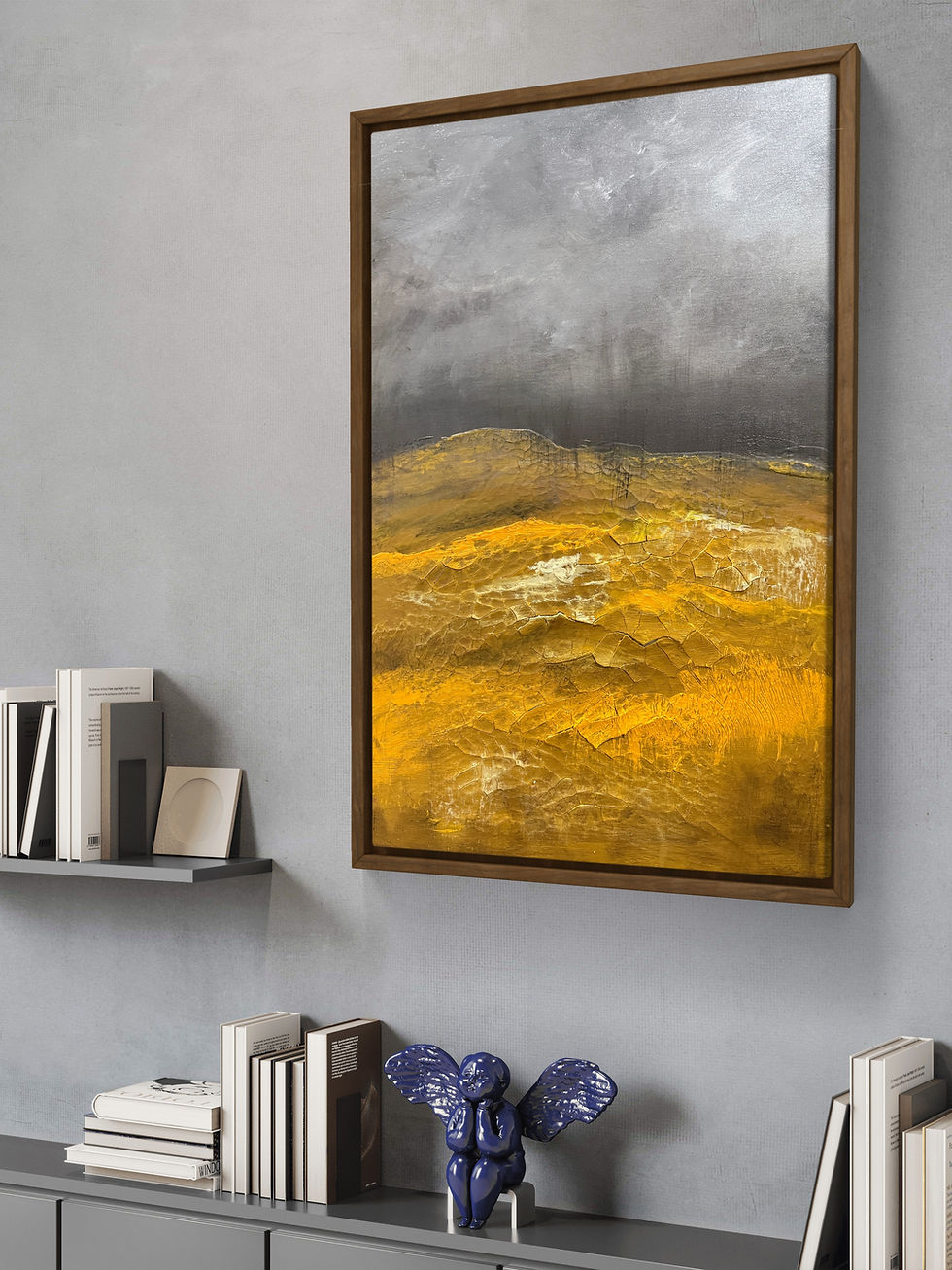
A touch of gold or silver leaf can simulate sunlight or water reflections. Apply adhesive size to the area, then carefully lay the metallic leaf. Seal with a clear medium to protect the shine.
By combining these techniques, you can create landscapes that feel both abstract and grounded in the natural world.

Tips for Creating Your Own Mixed Media Landscape Art
If you’re ready to try your hand at mixed media landscapes, here are some practical tips to guide your process:
Start with a loose sketch: Don’t worry about details at first. Focus on the overall shapes and composition.
Work in layers: Build your painting gradually, allowing each layer to dry before adding the next.
Embrace imperfections: Mixed media is about exploration. Unexpected textures or colours can add charm.
Use a limited colour palette: This helps unify the piece and keeps the focus on texture and form.
Keep tools and materials nearby: Having everything within reach encourages spontaneous experimentation.
Take breaks to reflect: Step back often to see how your layers interact and adjust as needed.
Protect your work: Use a fixative or varnish to preserve delicate collage elements and textures.
Remember, the goal is to create a landscape that feels personal and evocative. Trust your instincts and enjoy the process.
Finding Meaning in Mixed Media Landscape Paintings
Each mixed media landscape painting you create or collect holds a story. The textures, colours, and materials combine to evoke memories, moods, or moments in nature. When I work on these pieces, I often think about the places that inspire me - a quiet forest, a windswept beach, or a sunlit valley.
This connection to place and emotion is what makes mixed media landscapes so special. They invite viewers to pause, explore the layers, and find their own meaning within the artwork. Whether displayed in a home or office, these pieces bring a sense of calm and wonder.
If you’re interested in exploring or acquiring mixed media landscape paintings, I encourage you to look for works that speak to you personally. Each piece is a unique blend of nature and creativity, waiting to become part of your story.
Embracing the Journey of Mixed Media Art
Creating mixed media art landscapes is a rewarding journey of discovery. With each layer you add, you deepen your connection to the natural world and your own artistic voice. Whether you’re experimenting with texture, colour, or collage, the possibilities are endless.
I hope these techniques and tips inspire you to explore mixed media landscapes in your own way. Remember, art is not just about the final product - it’s about the joy of creating and the stories you tell along the way.
Happy painting!

Comments