Exploring Mixed Media Art Landscapes: A Journey into Texture and Nature
Updated: 5 days ago
When I first encountered mixed media art landscapes, I was immediately drawn to their rich textures and the way they seemed to capture the essence of nature in a fresh, dynamic way. These artworks go beyond traditional painting by combining various materials and techniques, creating pieces that invite you to explore every inch with your eyes and fingers. If you appreciate art that tells a story through layers and depth, then this style might just captivate you as much as it did me.
The Allure of Mixed Media Art Landscapes
Mixed media art landscapes offer a unique blend of creativity and expression. Unlike conventional landscape paintings that rely solely on paint, these artworks incorporate elements such as paper, fabric, metal, and even natural materials like sand or leaves. This combination adds a tactile dimension that brings the scene to life.
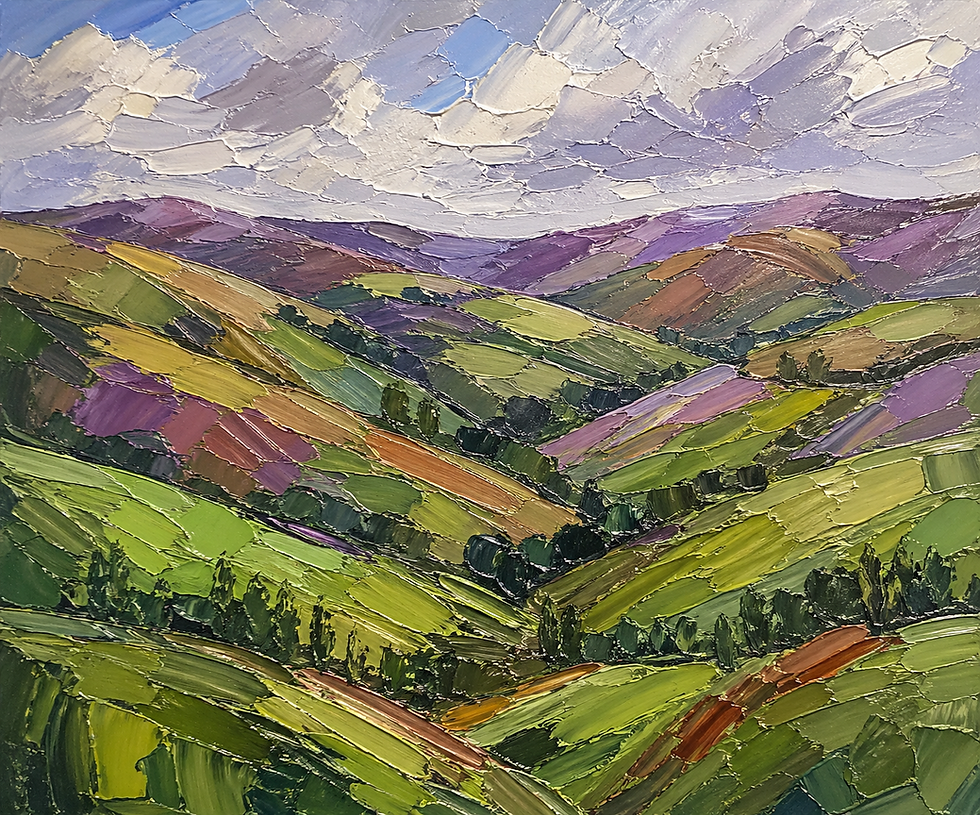
What I find most exciting is how artists use these materials to evoke the feeling of a place rather than just its appearance. For example, rough textures might suggest rocky terrain, while smooth, glossy areas could represent water or sky. This approach allows for a more immersive experience, where you don’t just see the landscape—you feel it.
If you’re considering adding a piece like this to your collection or interior space, think about how the textures and materials might complement your environment. A mixed media landscape can serve as a stunning focal point, sparking conversation and inviting viewers to look closer.

How Artists Create Mixed Media Art Landscapes
Creating mixed media art landscapes is a fascinating process that combines traditional painting skills with innovative techniques. Artists often start with a base of acrylic or oil paint, then build up layers using collage elements, textured gels, or found objects. Each layer adds complexity and depth.
One technique I admire is the use of natural materials like dried leaves or sand, which are embedded into the paint or adhered to the canvas. This not only enhances the visual appeal but also connects the artwork directly to the natural world it represents.
Artists also experiment with tools beyond brushes, such as palette knives, sponges, or even their hands, to manipulate the surface. This hands-on approach results in a more organic and spontaneous feel, which is perfect for capturing the unpredictable beauty of landscapes.
If you’re inspired to try your hand at mixed media, start small. Gather materials that resonate with you—perhaps pieces of fabric, textured paper, or natural elements—and experiment with layering them over painted backgrounds. Don’t be afraid to mix mediums like ink, charcoal, or pastels to add contrast and detail.
What are the three types of landscape paintings?
Understanding the different types of landscape paintings can deepen your appreciation for mixed media art landscapes. Generally, landscapes fall into three categories:
Naturalistic Landscapes - These aim to depict nature as realistically as possible. Artists focus on accurate details, lighting, and perspective to create lifelike scenes.
Impressionistic Landscapes - These capture the mood or atmosphere of a place rather than precise details. Brushstrokes are often loose, and colours may be exaggerated to evoke emotion.
Abstract Landscapes - These use shapes, colours, and textures to represent the essence of a landscape without depicting it literally. This style often overlaps with mixed media, as artists use various materials to express their vision.
Mixed media art landscapes often lean towards the abstract or impressionistic, allowing artists to explore texture and form in ways that traditional painting might limit.
Incorporating Mixed Media Landscape Paintings into Your Space
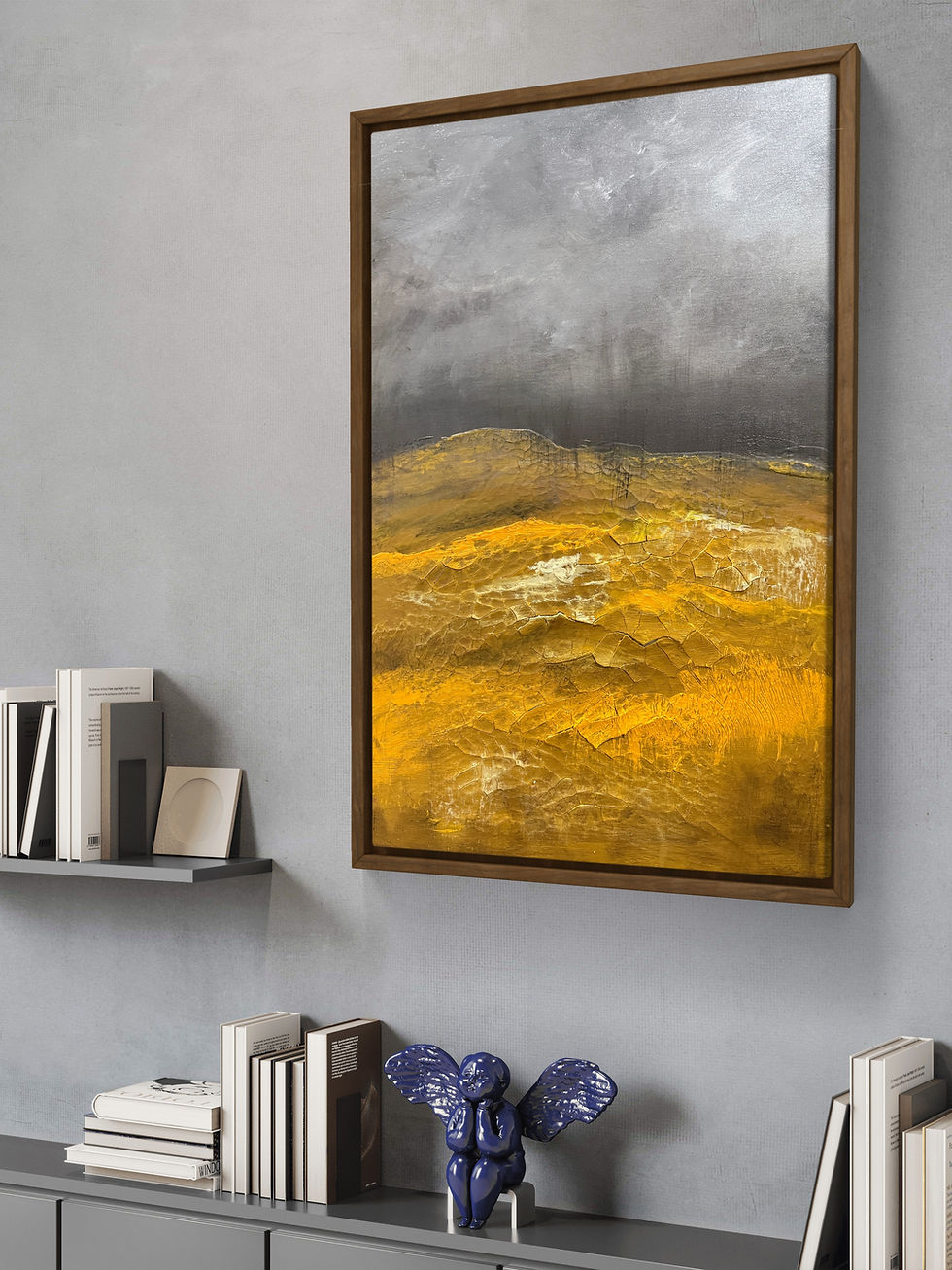
When it comes to displaying mixed media landscape paintings, placement and lighting are key. Because these artworks have texture and depth, they benefit from good lighting that highlights their dimensional qualities.
I recommend positioning them where natural light can enhance the textures, such as near a window or under adjustable gallery lights. Avoid overly bright or direct sunlight, which can cause fading over time.
Consider the colour palette of the artwork and how it interacts with your room’s decor. Earthy tones and natural textures often complement wooden furniture and neutral walls beautifully. For a modern space, a bold, abstract mixed media landscape can add a striking contrast.
If you’re an interior designer or collector, think about the story you want the artwork to tell. Mixed media pieces often evoke a sense of place and memory, making them perfect for creating a warm, inviting atmosphere.

Why Mixed Media Landscape Paintings Resonate with Collectors
Collectors are drawn to mixed media landscape paintings because each piece is truly one-of-a-kind. The combination of materials and techniques means no two artworks are exactly alike. This uniqueness adds value and personal meaning.
Moreover, these paintings often invite viewers to engage more deeply. The textures encourage touch (where allowed), and the layers reveal new details upon closer inspection. This interactive quality makes them more than just decorative objects—they become experiences.
For those seeking art that connects with nature and offers a fresh perspective, mixed media landscapes provide a compelling option. They bridge the gap between traditional art and contemporary innovation, making them a versatile choice for various tastes and settings.
If you’re looking to invest in art that will continue to inspire and captivate, exploring mixed media landscape paintings is a rewarding journey.
Bringing Nature Indoors with Textured Art
Incorporating nature-inspired art into your home or office can transform the atmosphere, making spaces feel more serene and grounded. Mixed media art landscapes excel at this because they don’t just depict nature—they embody it through texture and material.
When I add a piece like this to a room, I notice how it changes the energy. The tactile surfaces and natural motifs create a calming effect, reminding me of the outdoors even when I’m inside.
For those who appreciate abstract art but want a connection to the natural world, these paintings offer the perfect balance. They invite you to interpret the landscape in your own way, making each viewing a personal experience.
If you’re considering commissioning a piece, many artists are happy to work with you to create something that reflects your favourite landscapes or memories. This personalised approach ensures the artwork holds special significance.
Exploring mixed media art landscapes has been a rewarding adventure for me, and I hope it inspires you to discover the beauty and depth these artworks offer. Whether you’re drawn to the tactile textures, the innovative techniques, or the emotional connection to nature, there’s something truly special about these layered creations. They invite us to slow down, look closer, and appreciate the complexity of the world around us in a new light. See my work at www.dmariart.com

Comments