Discover Nature in Modern Artistic Expressions: Exploring Modern Art Nature Themes
Updated: 5 days ago
When I think about the connection between art and nature, I’m always fascinated by how contemporary artists reinterpret the natural world through fresh, innovative lenses. Modern art nature themes offer a vibrant dialogue between the organic and the abstract, inviting us to see familiar landscapes, flora, and fauna in new and inspiring ways. Whether you’re drawn to textured mixed media paintings or bold, minimalist designs, there’s something deeply compelling about how nature continues to influence modern artistic expressions.
In this post, I want to take you on a journey through the evolving relationship between nature and modern art. We’ll explore how artists capture the essence of the natural world, the techniques they use, and how you can bring these beautiful themes into your own space. Plus, I’ll share some practical tips on finding and appreciating nature-inspired art, including where to discover nature in contemporary art for sale.
The Allure of Modern Art Nature Themes
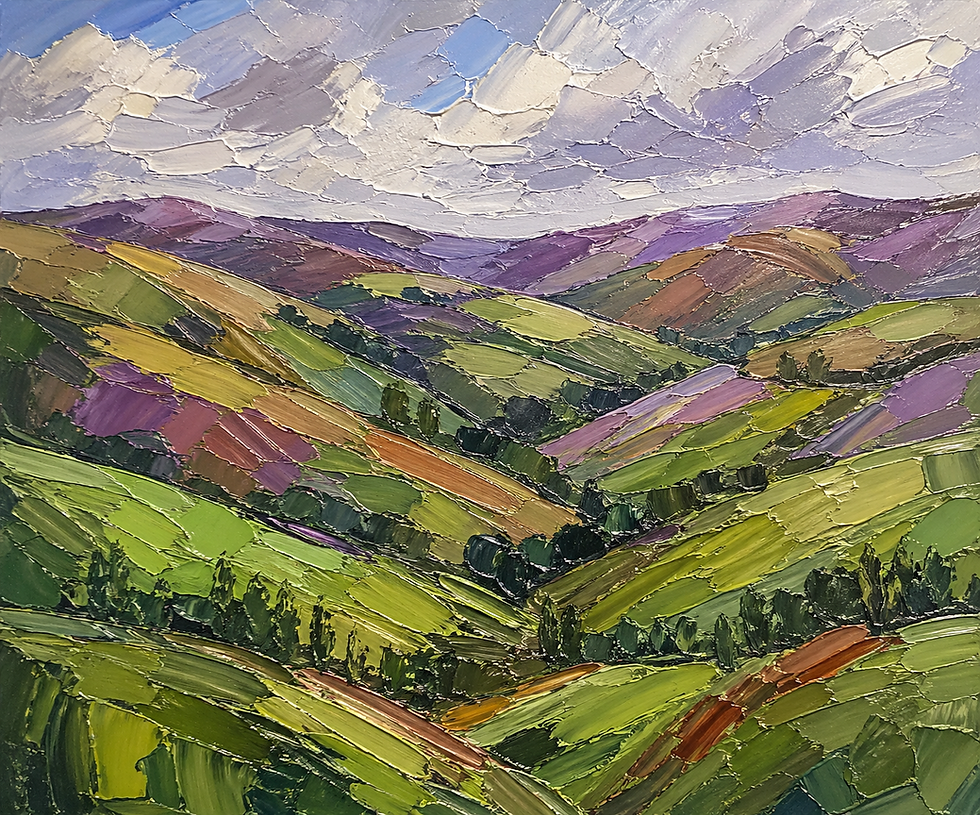
Nature has always been a muse for artists, but modern art nature themes go beyond simple representation. Instead of just painting a tree or a landscape, contemporary artists often focus on the feel of nature - its textures, colours, and rhythms. This approach allows for a more personal and emotional connection with the artwork.
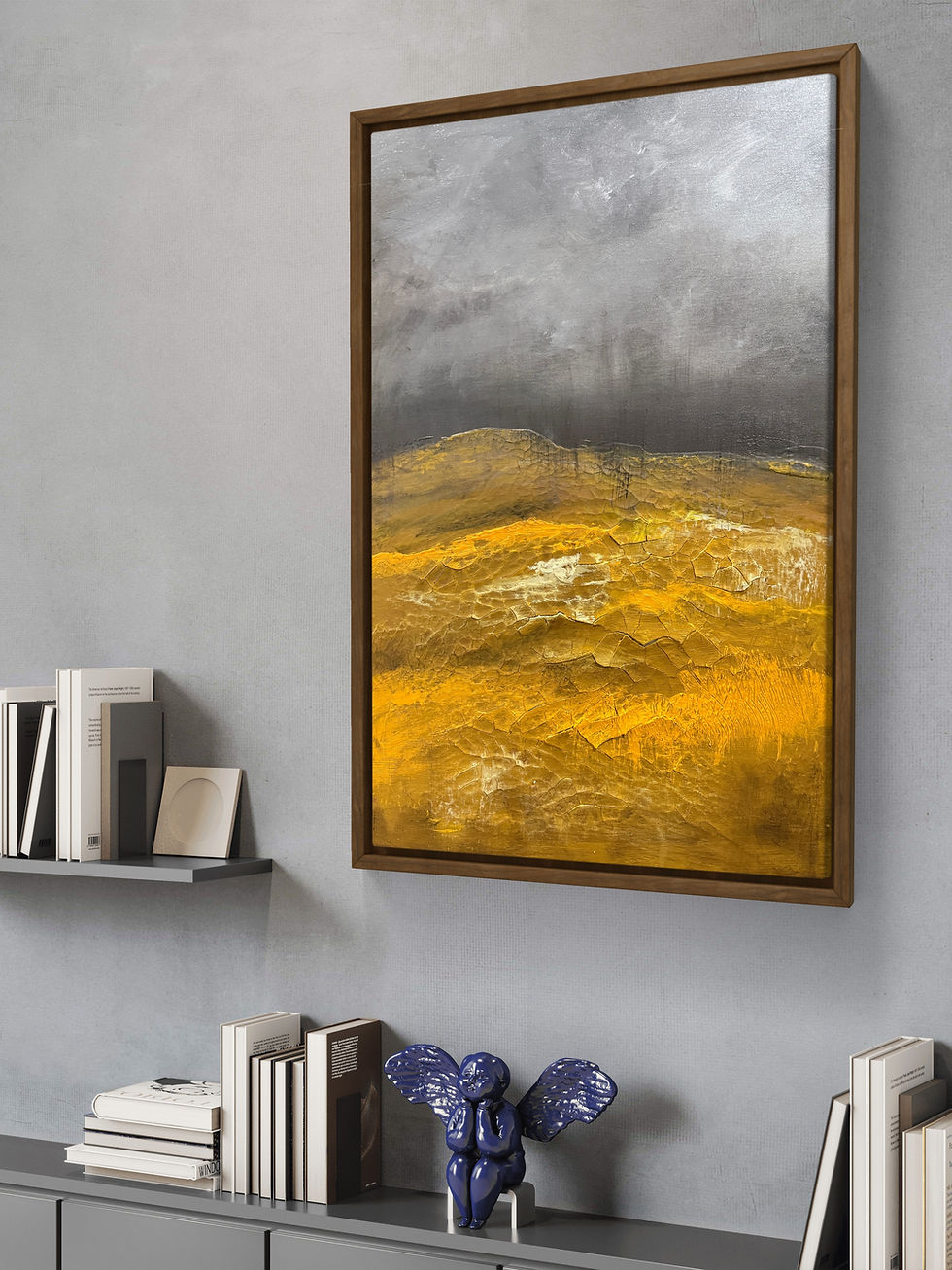
For example, many artists use mixed media to create layered textures that mimic the roughness of bark, the softness of moss, or the fluidity of water. These tactile elements invite viewers to engage with the piece on a sensory level, making the experience more immersive.
I’ve noticed that modern art nature themes often blend abstraction with realism. You might see a painting where the outline of a leaf is clear, but the colours swirl in unexpected ways, or where a forest scene is suggested through shapes and shadows rather than detailed depictions. This balance between the familiar and the abstract encourages us to reflect on our own relationship with nature.
Why does this matter? Because in our busy, technology-driven lives, these artworks offer a moment of calm and connection. They remind us of the beauty and complexity of the natural world, even when we’re surrounded by concrete and screens.

Techniques Behind Modern Art Nature Themes
Understanding the techniques artists use can deepen your appreciation of modern art nature themes. Many contemporary artists experiment with materials and methods to evoke natural elements in unique ways.
Mixed Media: Combining paint, fabric, paper, and natural materials like sand or leaves, mixed media pieces create rich textures that bring nature to life. These layers can suggest the depth of a forest floor or the roughness of a rocky coastline.
Abstract Forms: Instead of detailed realism, artists use shapes, lines, and colours to represent natural forms. This abstraction allows for personal interpretation and emotional resonance.
Bold Colour Palettes: While nature is often associated with greens and browns, modern artists might use unexpected colours to highlight mood or atmosphere. Think vibrant blues to evoke water or fiery reds to suggest autumn leaves.
Sculptural Elements: Some artists incorporate three-dimensional aspects into their work, blurring the line between painting and sculpture. This can create a dynamic interaction with light and shadow, much like natural environments.
When you look at a piece with these techniques, try to notice how the artist’s choices reflect their interpretation of nature. What feelings or memories does the artwork evoke for you? This personal connection is part of what makes modern nature-themed art so powerful.
Finding and Appreciating Nature in Contemporary Art for Sale
If you’re interested in bringing nature-inspired art into your home or collection, it’s important to know where to look and how to choose pieces that resonate with you. One great way to start is by exploring nature in contemporary art for sale from artists who specialise in this genre.
Here are some tips to guide your search:
Explore Online Galleries and Artist Websites: Many artists showcase their work online, making it easy to browse a wide range of styles and mediums. Look for detailed descriptions that explain the inspiration and techniques behind each piece.
Consider the Scale and Space: Think about where you want to display the artwork. Larger pieces can become focal points in a room, while smaller works might complement existing decor.
Look for Textural Elements: If you enjoy tactile experiences, seek out mixed media or sculptural pieces that invite you to explore their surfaces.
Connect with the Artist’s Story: Understanding the artist’s relationship with nature can add depth to your appreciation. Many contemporary artists share their creative process and personal inspirations.
Think About Colour and Mood: Choose artworks that harmonise with your space and evoke the atmosphere you want to create, whether it’s calm, energising, or contemplative.
By following these steps, you can find pieces that not only beautify your environment but also bring a meaningful connection to the natural world.

How Nature Inspires Emotional and Spiritual Connections in Art
One of the most beautiful aspects of modern art nature themes is their ability to evoke deep emotional and spiritual responses. Nature has a timeless quality that speaks to our shared human experience, and artists tap into this to create works that resonate on multiple levels.
For me, encountering a nature-inspired artwork can feel like stepping into a quiet moment of reflection. The textures and colours remind me of places I’ve been or long to visit. The abstraction allows space for imagination and personal interpretation, making each viewing unique.
Artists often use nature as a metaphor for growth, change, and resilience. For example, a painting of a lone tree standing strong against the wind can symbolize endurance and hope. Water-themed pieces might represent fluidity and renewal. These symbolic layers add richness to the artwork and invite viewers to find their own meanings.
If you’re looking to deepen your connection with art, try spending time with a piece that speaks to you. Observe it in different lights and moods. Notice how your feelings shift. This mindful engagement can transform art from decoration into a source of inspiration and comfort.
Bringing Modern Art Nature Themes into Your Space
Incorporating nature-inspired modern art into your living or working space can transform the atmosphere and create a sense of harmony. Here are some practical ideas to help you integrate these themes effectively:
Create a Focal Point: Choose a striking piece with bold colours or textures to anchor a room. This can be above a fireplace, on a main wall, or in an entryway.
Mix and Match: Combine different artworks that explore various aspects of nature - from abstract landscapes to detailed botanical studies. This variety adds interest and depth.
Consider Lighting: Proper lighting enhances the textures and colours of your artwork. Use adjustable spotlights or natural light to highlight key features.
Coordinate with Natural Elements: Complement your art with plants, natural fibres, and earthy tones in furniture and decor. This creates a cohesive, calming environment.
Rotate Pieces Seasonally: Reflect the changing seasons by swapping artworks that evoke different times of year. This keeps your space feeling fresh and connected to nature’s cycles.
By thoughtfully selecting and displaying nature-themed modern art, you can create a space that feels both contemporary and deeply rooted in the natural world.
Exploring modern art nature themes has been a rewarding journey for me, and I hope it inspires you to discover the unique beauty and meaning these artworks can bring. Whether you’re drawn to textured mixed media paintings or abstract interpretations, there’s a wealth of creativity waiting to be explored. And if you’re ready to find your own piece, don’t forget to check out nature in contemporary art for sale for a curated selection of stunning works that celebrate the natural world in all its complexity.

Comments