Creating Stunning Mixed Media Landscape Art
Updated: 4 days ago
When I first discovered the world of mixed media landscape art, I was captivated by the endless possibilities it offered. Combining different materials and techniques to create textured, vibrant scenes of nature felt like unlocking a new language of expression. If you’re drawn to art that tells a story through layers and textures, mixed media landscapes might just be the perfect creative outlet for you. In this post, I’ll share my insights and practical tips on how to create stunning mixed media landscapes that resonate deeply and stand out beautifully.
Exploring the Beauty of Mixed Media Landscape Art
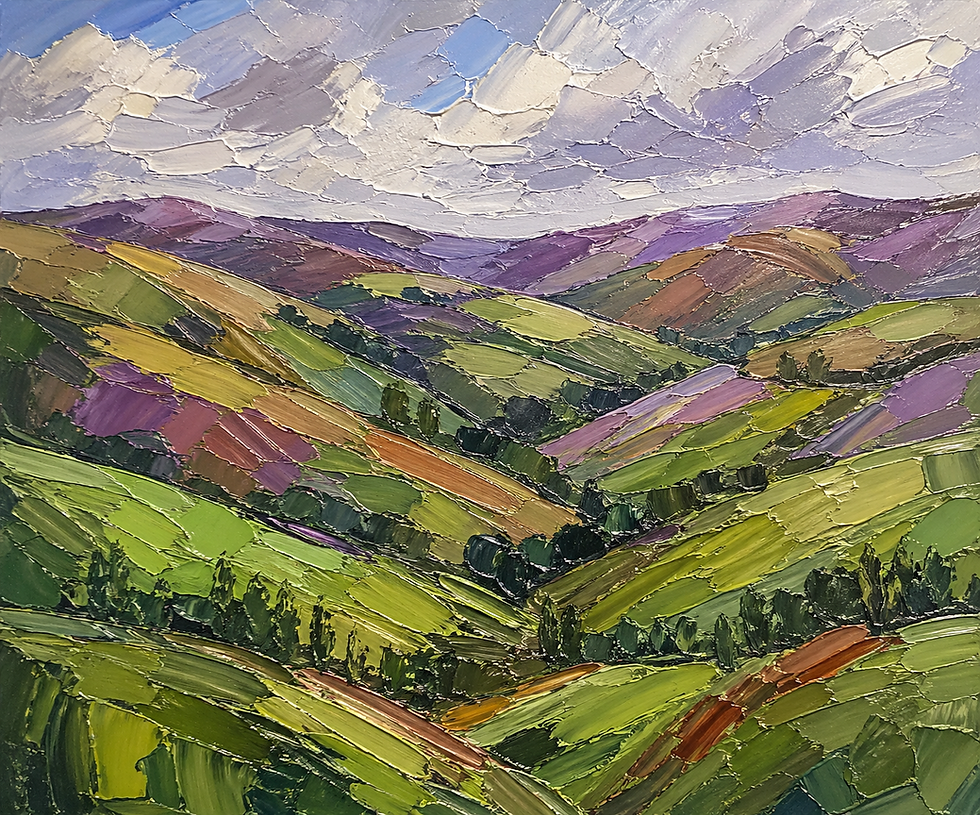
Mixed media landscape art is all about blending various artistic materials and methods to capture the essence of natural scenes. Unlike traditional paintings that rely on a single medium, mixed media invites you to experiment with paper, fabric, paint, ink, and even found objects. This approach adds depth and tactile interest, making each piece unique.
When I work on a mixed media landscape, I start by choosing a theme or location that inspires me. It could be a rugged coastline, a serene forest, or a vast desert. From there, I gather materials that reflect the textures and colours of that environment. For example, rough handmade paper can mimic rocky surfaces, while translucent tissue paper can suggest mist or water.
One of the joys of mixed media is the freedom to layer and rework your piece. You might begin with a painted background, then add collage elements, followed by ink details or textured paste. This layering process creates a dynamic interplay of light and shadow, inviting viewers to explore every inch of the artwork.

Essential Materials and Tools for Mixed Media Landscape Art
To create your own mixed media landscapes, you don’t need a vast collection of supplies. Instead, focus on quality and versatility. Here’s a list of materials and tools I find indispensable:
Base surface: Sturdy paper, canvas, or wood panels work well. Choose something that can handle multiple layers without warping.
Paints: Acrylics are my go-to because they dry quickly and adhere well to different surfaces. Watercolours and inks can add delicate washes.
Collage elements: Think natural fibres, textured papers, fabric scraps, or even dried leaves and sand.
Adhesives: Use gel medium or PVA glue for secure layering.
Texture mediums: Modelling paste, gesso, or texture gels help build relief and dimension.
Drawing tools: Pencils, charcoal, pastels, and fine liners add detail and contrast.
Brushes and palette knives: For applying paint and texture mediums with control and variety.
I always recommend starting small and experimenting with combinations. For instance, try layering torn paper over a painted background, then add ink lines to define shapes. This trial-and-error approach helps you discover what materials interact best and how to achieve the effects you want.
Techniques to Bring Your Mixed Media Landscape to Life
Creating a compelling mixed media landscape involves more than just layering materials. It’s about using techniques that enhance the mood and story of your scene. Here are some methods I use regularly:
Underpainting: Begin with a loose, abstract wash of colour to set the tone. This base layer can unify the composition and add depth.
Collage layering: Tear or cut papers and fabrics to build texture. Overlap edges and vary opacity to create interest.
Texture building: Apply modelling paste or gesso with a palette knife to mimic natural surfaces like rocks or tree bark.
Dry brushing: Use a dry brush with minimal paint to highlight raised textures gently.
Ink and line work: Add fine details or outlines with pens or charcoal to define elements like branches or waves.
Stencilling and stamping: Introduce patterns or shapes that echo natural forms, such as leaves or ripples.
Glazing: Apply thin, transparent layers of paint to adjust colour and unify the piece.
Each technique contributes to the overall harmony of your artwork. I find that balancing bold textures with delicate details creates a captivating visual rhythm that draws viewers in.

How to Choose Colours and Themes for Your Mixed Media Landscape
Colour choice is crucial in mixed media landscape art because it sets the emotional tone. When I select colours, I think about the mood I want to evoke and the natural environment I’m representing. Earthy tones like ochres, greens, and blues often work well for landscapes, but don’t be afraid to experiment with unexpected hues to add vibrancy or abstraction.
Themes can range from realistic depictions to more abstract interpretations of nature. For example, you might focus on:
Seasonal changes: Capture the warmth of autumn leaves or the coolness of winter snow.
Time of day: Use soft pastels for dawn or deep blues and purples for twilight.
Weather conditions: Convey the drama of a storm or the calm of a sunny day.
Specific locations: Draw inspiration from places you love or dream of visiting.
I encourage you to gather reference photos, sketches, or even natural objects to inspire your palette and composition. This connection to real-world elements helps your artwork feel authentic and meaningful.
Displaying and Caring for Your Mixed Media Landscape Art
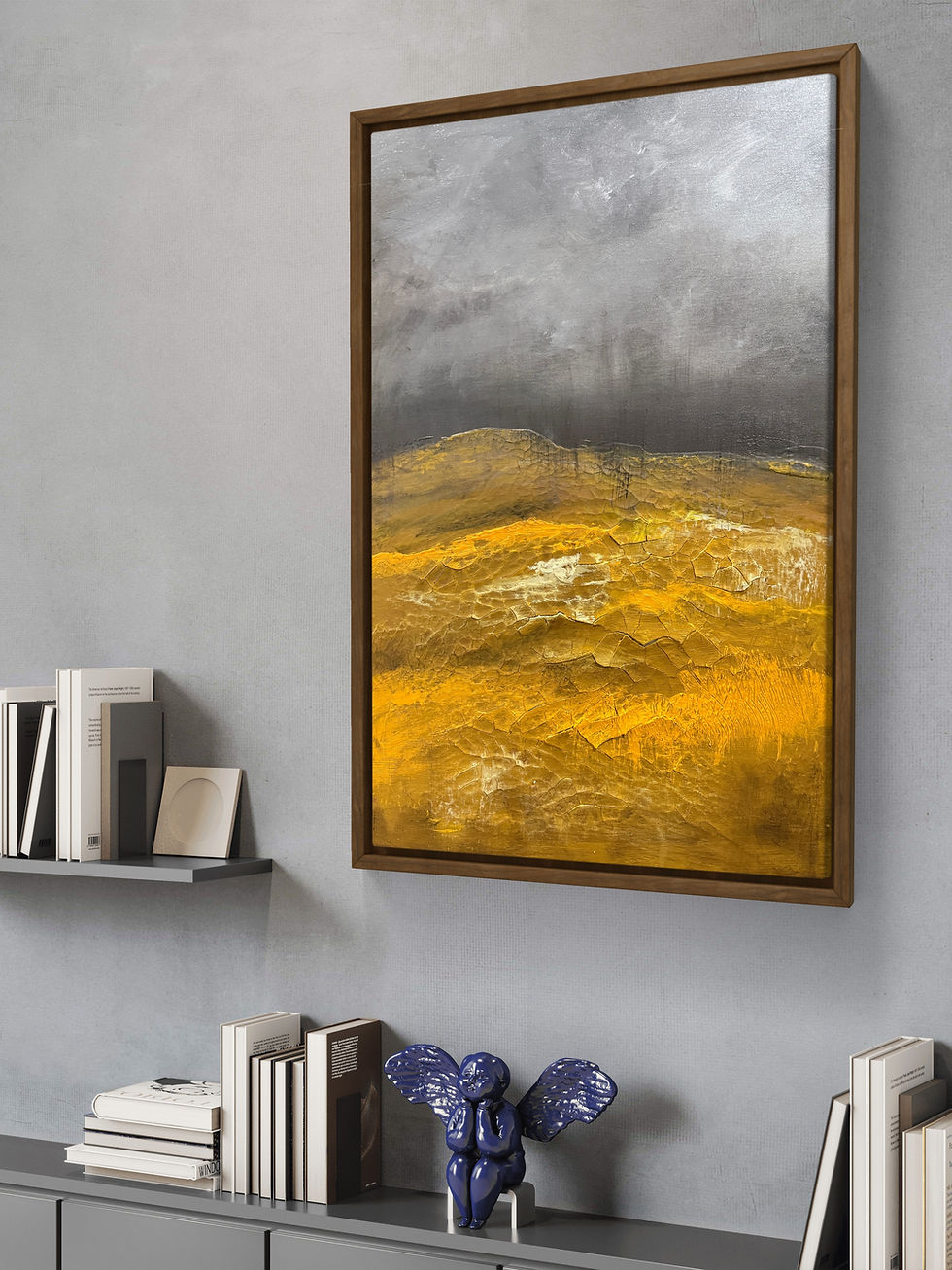
Once you’ve created your mixed media landscape, it’s important to present it in a way that highlights its textures and colours. Framing under glass can protect delicate surfaces but may flatten textures, so consider using a shadow box or floating frame to preserve depth.
Lighting also plays a key role. Soft, directional light can enhance shadows and bring out the dimensionality of your piece. Avoid harsh, direct sunlight to prevent fading.
Caring for mixed media art involves gentle cleaning and avoiding exposure to moisture or extreme temperatures. If your piece includes organic materials like dried leaves, keep it in a stable environment to prevent deterioration.
For collectors and interior designers, mixed media landscape paintings offer a unique way to bring nature’s beauty indoors. Their tactile quality and layered complexity make them conversation starters and focal points in any space.
If you want to explore more about mixed media landscape paintings, I highly recommend visiting DMaria Art’s collection. Her nature-inspired pieces beautifully demonstrate how texture and colour can evoke personal meaning and connection.
Embracing Your Creative Journey with Mixed Media Landscapes
Creating mixed media landscape art is a rewarding journey that blends technique, intuition, and personal expression. Whether you’re layering torn paper or experimenting with texture gels, each step brings you closer to a piece that reflects your vision and passion.
Remember, there’s no right or wrong way to approach mixed media. The magic lies in exploration and discovery. So gather your materials, find a quiet space, and let the natural world inspire your next masterpiece. Your unique mixed media landscape will not only beautify your surroundings but also tell a story that resonates deeply with anyone who experiences it.

Comments