Crafting Unique Mixed Media Landscapes: A Journey into Texture and Nature
Updated: 5 days ago
Creating art that captures the essence of nature while inviting viewers into a tactile experience is a passion I love to share. When I first started exploring unique mixed media landscapes, I was drawn to the way different materials could come together to tell a story beyond paint alone. This approach allows for a rich, layered expression that resonates deeply with those who appreciate art that feels alive and textured.
In this post, I’ll walk you through the process of crafting these landscapes, sharing insights and practical tips to help you or anyone interested in this art form understand how to bring nature’s beauty into a mixed media canvas.
Exploring Unique Mixed Media Landscapes: Materials and Inspiration
The beauty of unique mixed media landscapes lies in their versatility. You’re not limited to just brushes and paint. Instead, you can combine a variety of materials to create depth and interest. Here’s how I start:
Base materials: I usually begin with a sturdy canvas or wooden panel. These surfaces can support heavier materials like fabric, paper, or even natural elements.
Paints: Acrylics are my go-to because they dry quickly and layer well. Watercolours and inks can add delicate washes or vibrant splashes.
Textural elements: Think sand, modelling paste, fabric scraps, dried leaves, or even small twigs. These add a tactile dimension that invites touch and closer inspection.
Adhesives and mediums: Gel mediums, matte or gloss varnishes, and strong adhesives help bind everything together and protect the finished piece.
Inspiration often comes from the landscapes I’ve experienced or imagined. I keep a sketchbook filled with notes and colour swatches from nature walks. This helps me translate the mood and atmosphere into my work.
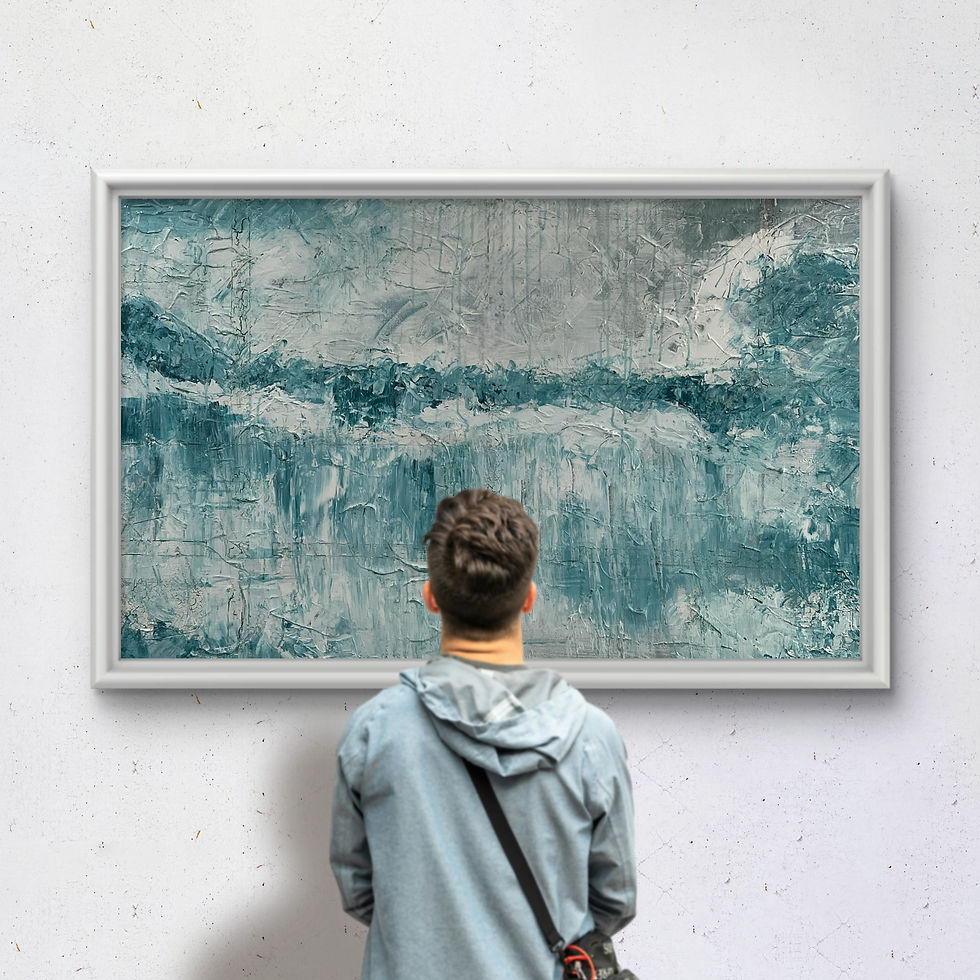
Close-up of a mixed media landscape showing layers of paint and natural textures
Techniques to Bring Your Mixed Media Landscape to Life
Once you have your materials ready, the fun begins. Here are some techniques I find essential for crafting unique mixed media landscapes:
Layering: Start with broad washes of colour to establish the mood. Then, build up layers of texture and detail. Each layer should dry before adding the next to avoid muddiness.
Collage elements: Incorporate torn paper, fabric, or printed images to add narrative or abstract shapes. Use gel medium to adhere and seal these pieces.
Texture building: Apply modelling paste or sand mixed with paint to create raised surfaces. Use palette knives or old credit cards to spread these materials unevenly for a natural effect.
Dry brushing and splattering: These techniques add subtle highlights or dynamic energy. Dry brushing with a stiff brush can mimic grasses or tree bark, while splattering can suggest rain or leaves.
Incorporating natural materials: Pressed leaves, small twigs, or even feathers can be embedded into the surface. Seal them well to ensure longevity.
Experimentation is key. Don’t be afraid to try new combinations or unexpected materials. Sometimes the most striking effects come from happy accidents.
Choosing Colours and Composition for Impact
Colour and composition are the backbone of any landscape painting. For unique mixed media landscapes, these elements become even more important because they guide the viewer’s eye through the layers and textures.
Colour palette: I often choose earthy tones—greens, ochres, browns, and blues—to evoke natural settings. However, adding unexpected pops of colour like burnt orange or deep purple can create focal points and emotional contrast.
Balance: Aim for a balance between busy textured areas and calmer spaces. This contrast helps the eye rest and appreciate the details.
Focal points: Use brighter colours, sharper textures, or distinct shapes to draw attention to key areas. This could be a tree, a river bend, or a patch of wildflowers.
Movement: Guide the viewer’s gaze with lines and shapes that suggest movement—like the curve of a hill or the flow of water.
Remember, your composition doesn’t have to be realistic. Abstract elements can enhance the mood and invite personal interpretation.

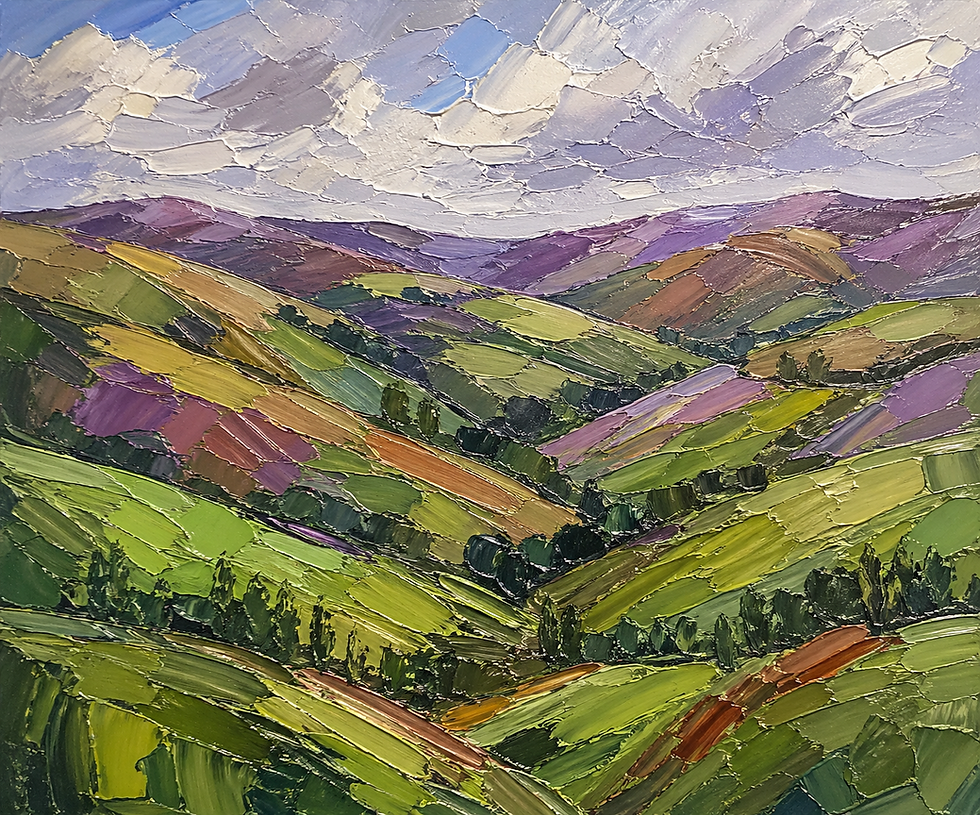
Eye-level view of a mixed media landscape painting showcasing layered textures and earthy colours
Bringing It All Together: Creating Your Own Mixed Media Landscape
Now that you understand the materials, techniques, and design principles, it’s time to create. Here’s a step-by-step guide I follow when crafting my pieces:
Prepare your surface: Prime your canvas or panel if needed. Sketch a loose outline of your landscape.
Apply base layers: Use broad washes of acrylic or watercolour to set the tone.
Add texture: Incorporate modelling paste, sand, or fabric to build physical depth.
Introduce collage elements: Glue down paper, fabric, or natural materials.
Detail work: Use dry brushing, splattering, and fine brushwork to add interest.
Seal your work: Apply a varnish or gel medium to protect the layers and unify the surface.
Throughout the process, step back regularly to assess your work. Sometimes, adding or removing elements can improve balance and harmony.
If you’re interested in exploring this further, I recommend checking out mixed media landscape paintings for inspiration and ideas on how artists combine materials to create stunning effects.
The Emotional Connection of Textured Nature Art
What I find most rewarding about crafting unique mixed media landscapes is the emotional connection they foster. Each piece tells a story not just through imagery but through texture and materiality. Collectors often tell me how these works evoke memories of places, feelings of calm, or a sense of wonder.
This connection is what drives me to keep experimenting and sharing my art. Whether displayed in a home or office, these landscapes bring a touch of nature’s complexity and beauty indoors. They invite viewers to pause, explore, and find their own meaning within the layers.
If you’re drawn to art that offers more than just visual appeal, I encourage you to explore this medium. The tactile quality and depth of unique mixed media landscapes create a lasting impression that traditional paintings sometimes cannot.
I hope this guide inspires you to appreciate and perhaps even try your hand at crafting your own mixed media landscapes. The journey is as rewarding as the finished piece, and the possibilities are truly endless. Happy creating!

Comments