Creating Depth in Mixed Media Art Landscapes
When I first started exploring mixed media art landscapes, I was fascinated by how artists create a sense of depth that draws you into the scene. Depth is what transforms a flat canvas into a vivid experience, inviting you to step inside the artwork and feel the atmosphere. In this post, I want to share some practical tips and techniques that have helped me bring depth to my own mixed media landscape paintings. Whether you're an art collector, interior designer, or someone who appreciates unique, abstract art, these insights will help you understand and appreciate the layers and textures that make these pieces so captivating.
Understanding Depth in Mixed Media Art Landscapes
Depth in art is all about creating the illusion of space and distance. In mixed media art landscapes, this illusion is achieved not only through traditional painting techniques but also by combining various materials and textures. When you look at a landscape painting, your eye naturally moves from the foreground to the background, guided by elements like colour, contrast, and detail.
To create this effect, I often start by thinking about the three main planes in a landscape:
Foreground: The closest part of the scene, usually rich in detail and texture.
Middle ground: The area between the foreground and background, often where the main subject or focal point sits.
Background: The farthest part, usually softer and less detailed to suggest distance.
By layering different materials and adjusting their opacity and texture, you can enhance these planes and make the scene feel more immersive.

Techniques to Enhance Depth in Mixed Media Art Landscapes
One of the joys of working with mixed media is the freedom to experiment with various materials. Here are some techniques I use to create depth:
1. Layering Materials
Start with a base layer of paint or ink, then add layers of paper, fabric, or even natural elements like sand or leaves. Each layer adds physical depth and visual interest. For example, I like to use translucent papers or tissue to create soft transitions between planes.
2. Playing with Colour and Value
Colours that are warmer and more saturated tend to come forward, while cooler, muted colours recede. I use this principle to push parts of the landscape back or pull them forward. Darker values in the foreground and lighter values in the background also help create a sense of distance.
3. Using Texture to Your Advantage
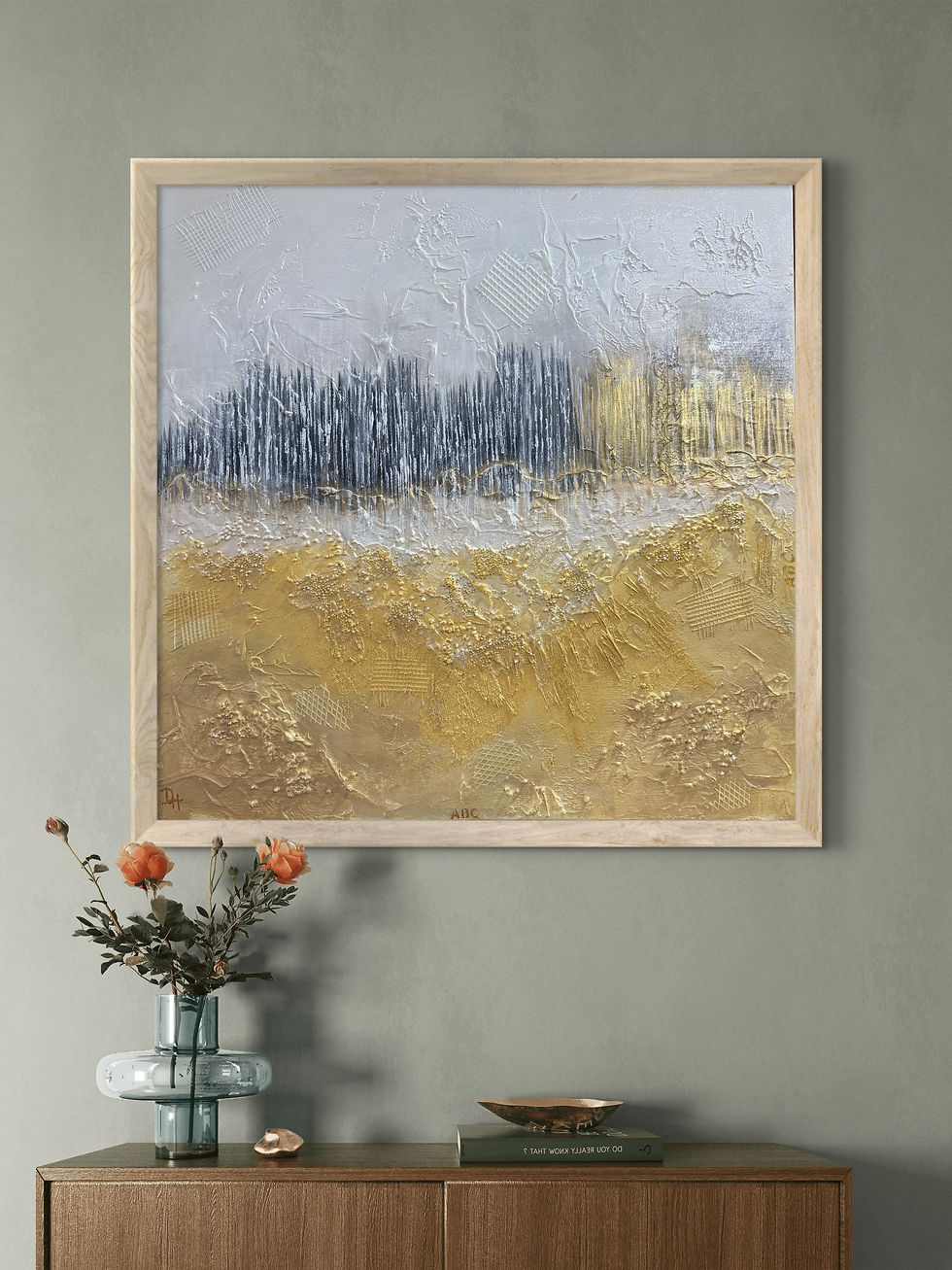
Texture is a powerful tool in mixed media. Rough textures in the foreground can simulate rocks, bark, or grass, while smoother textures in the background suggest sky or water. I often use modelling paste or gel mediums to build up texture, then paint over them to unify the piece.
4. Incorporating Lines and Shapes
Lines that converge towards a vanishing point can guide the viewer’s eye into the depth of the painting. Shapes that overlap also create a sense of layering. I sometimes use charcoal or graphite to add subtle lines that enhance perspective.
5. Adding Highlights and Shadows
Strategic highlights and shadows give objects volume and make them stand out. I use white or light-coloured paint sparingly to add highlights, and darker tones to deepen shadows, especially around textured areas.
Choosing the Right Materials for Mixed Media Landscape Paintings
Selecting materials that complement each other is key to achieving depth without overwhelming the composition. Here are some favourites I recommend:
Acrylic paints: Versatile and quick-drying, perfect for building layers.
Watercolour washes: Great for soft backgrounds and atmospheric effects.
Collage elements: Handmade papers, maps, or botanical prints add narrative and texture.
Textural mediums: Modelling paste, gel medium, and sand for tactile surfaces.
Drawing tools: Charcoal, graphite, and pastels for fine details and shading.
When combining these, I always test how they interact on a small scale before committing to a full piece. This helps avoid unwanted reactions like cracking or peeling.
Bringing Your Mixed Media Landscape to Life
Once you have your materials and techniques in place, it’s time to bring your vision to life. Here are some tips that have helped me stay focused and intentional:
Start with a loose sketch: Outline the main shapes and planes to guide your layering.
Build gradually: Add layers slowly, allowing each to dry before moving on.
Step back often: Viewing your work from a distance helps you see the overall depth and balance.
Embrace imperfections: Texture and layering can create unexpected effects that add character.
Use a limited palette: Too many colours can flatten the image; a cohesive palette enhances depth.
Remember, creating depth is not just about technique but also about evoking a feeling. Think about the mood you want to convey - whether it’s the calm of a misty morning or the energy of a stormy sky - and let that guide your choices.
Exploring Depth Beyond the Canvas
Depth in mixed media art landscapes isn’t confined to the painting itself. Framing, lighting, and display also play a role in how the artwork is perceived. For collectors and interior designers, consider these factors:
Frame selection: A deep or shadow box frame can enhance the physical depth of the piece.
Lighting: Directional lighting highlights textures and shadows, making the layers more visible.
Placement: Position the artwork where viewers can appreciate it up close and from different angles.
Creating depth in mixed media art landscapes is a rewarding journey. It combines creativity, technique, and a deep appreciation for nature’s complexity. I hope these insights inspire you to see and feel the layers in your own art or collection in a new light.


Comments